Physical Education

All classes are taught 5 different PE strands each year: Athletics, Aquatics, Gymnastics, Games, Outdoor and Adventure. In Castleplunkett N.S each class receives at least an hour per week of physical education. By taking part in the Active School Flag programme it has helped us to focus on an improved provision of Physical Education in the school. Teachers use the Primary Schools' Sport Initiate to help when teaching and delivering the different strands. For further information on our PE programme, please see our School Policies. This year, as part of the ASF initiative, it was decided by staff to select athletics as the strand for development.
Athletics
The strand units of the athletics curriculum include:
When delivering the athletics programme it was important to provide opportunities for the child to challenge him/herself to run faster or for a longer period, to throw an implement further and to jump further or higher. The children from 2nd-6th class kept running diaries to track their progress and their fitness journey.
- Running
- Jumping
- Throwing
- Understanding and appreciation of athletics
When delivering the athletics programme it was important to provide opportunities for the child to challenge him/herself to run faster or for a longer period, to throw an implement further and to jump further or higher. The children from 2nd-6th class kept running diaries to track their progress and their fitness journey.
Running
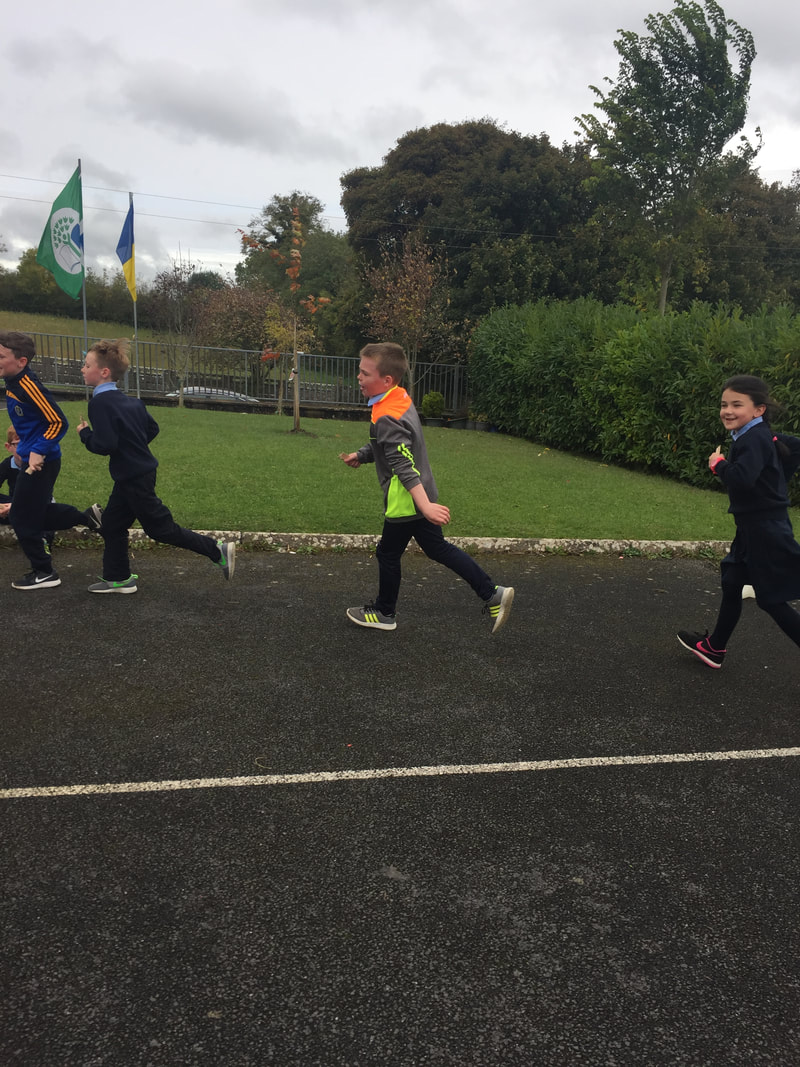
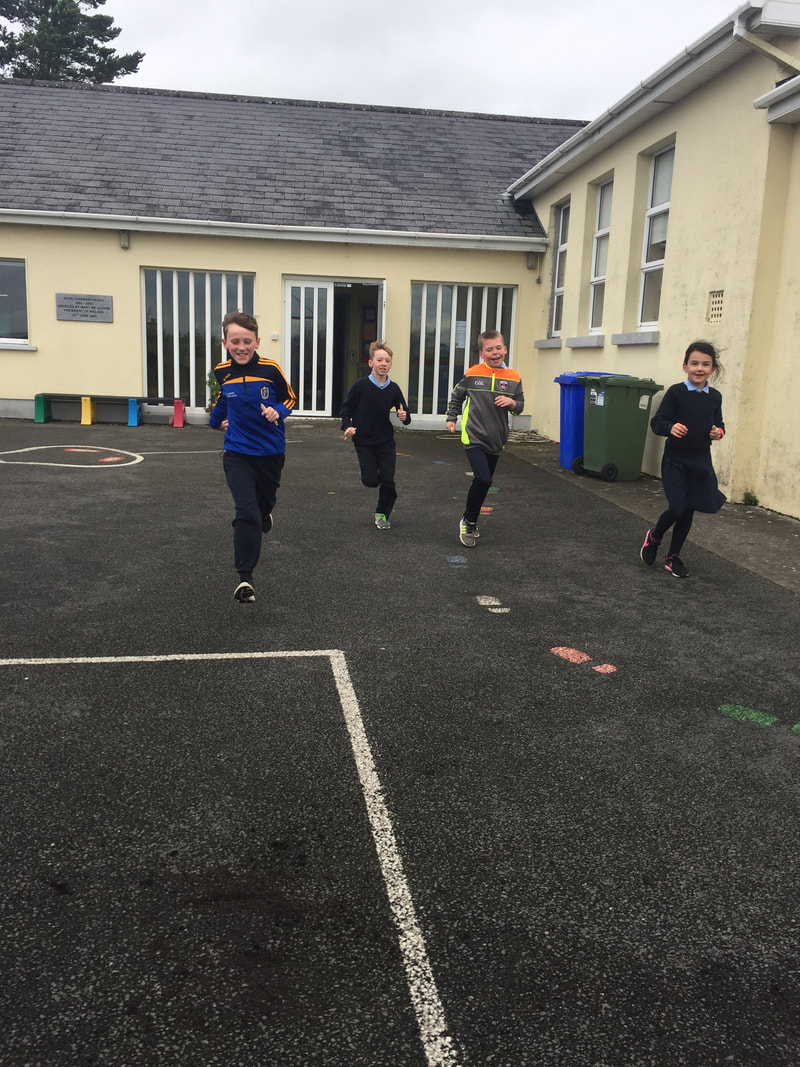

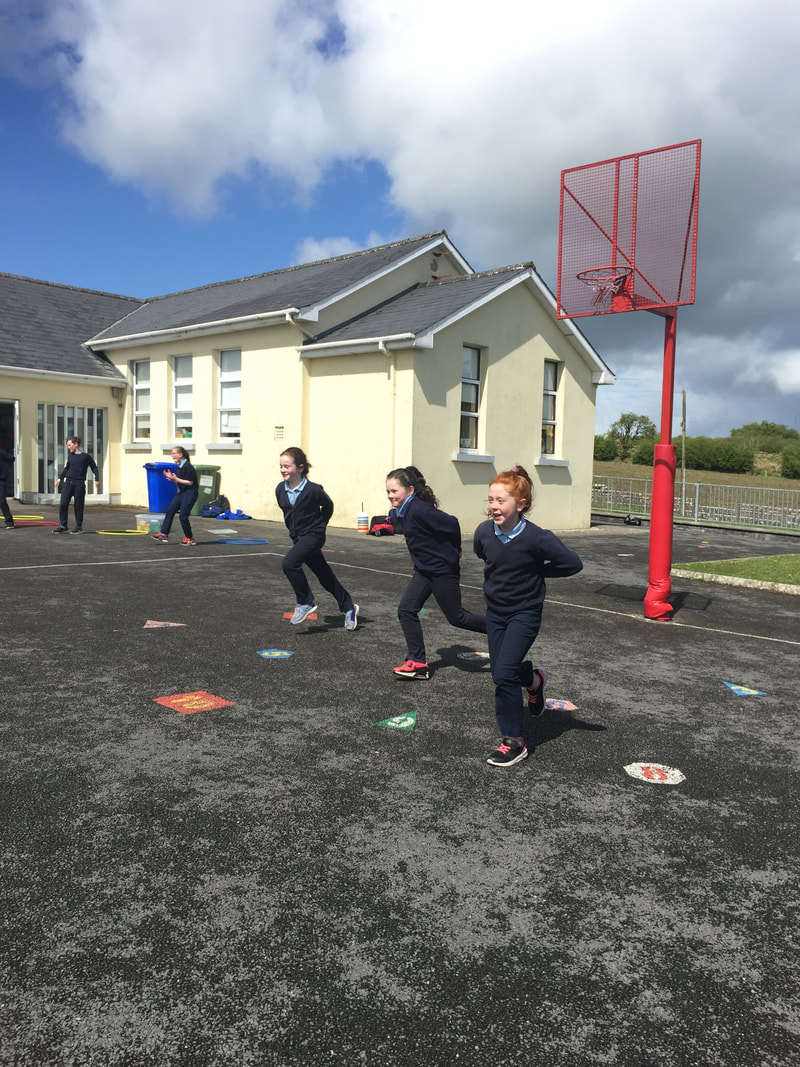
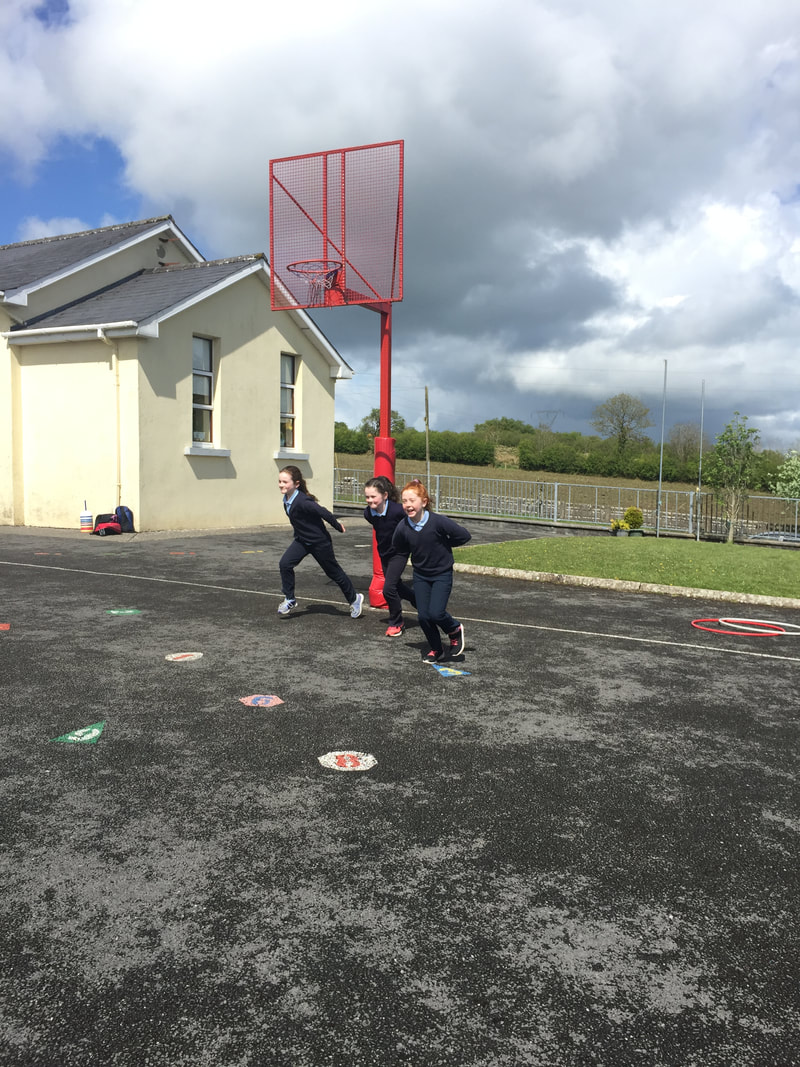

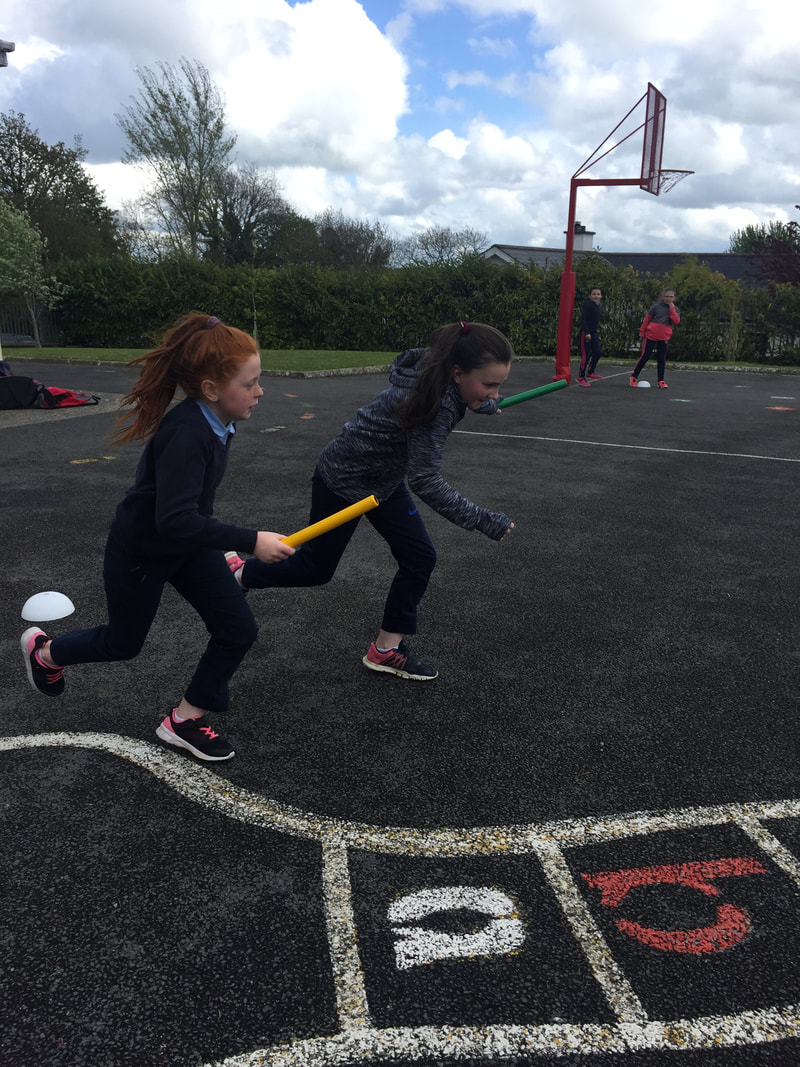
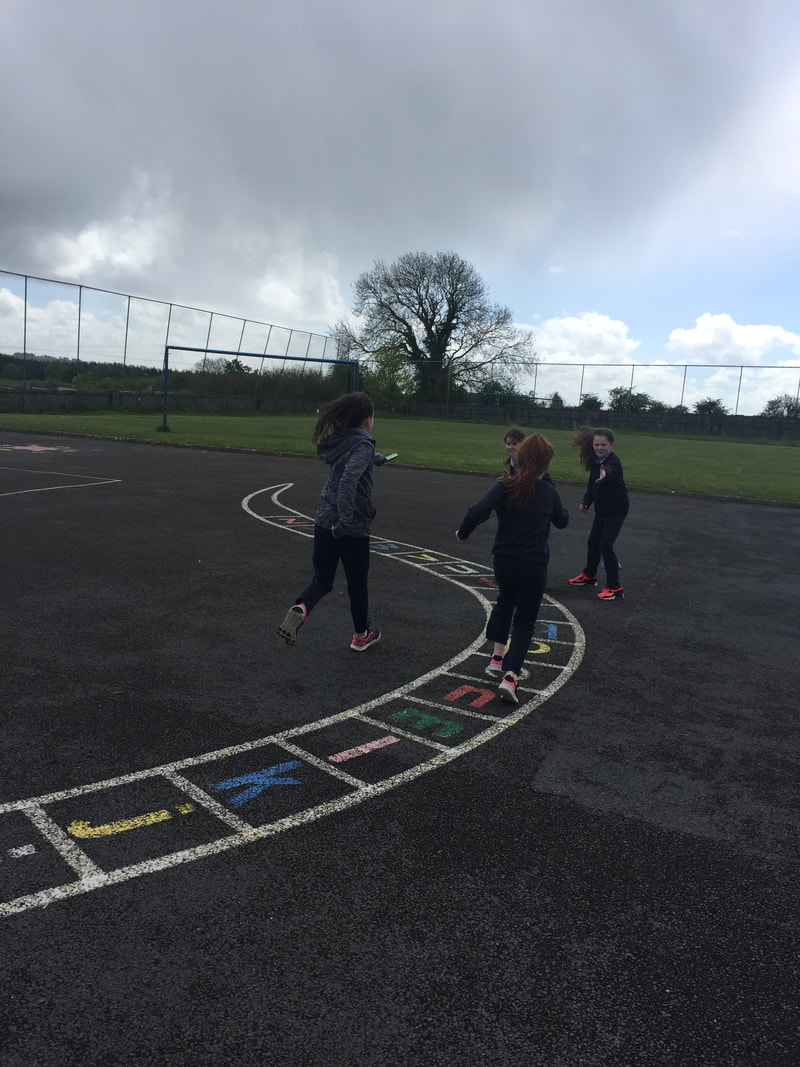
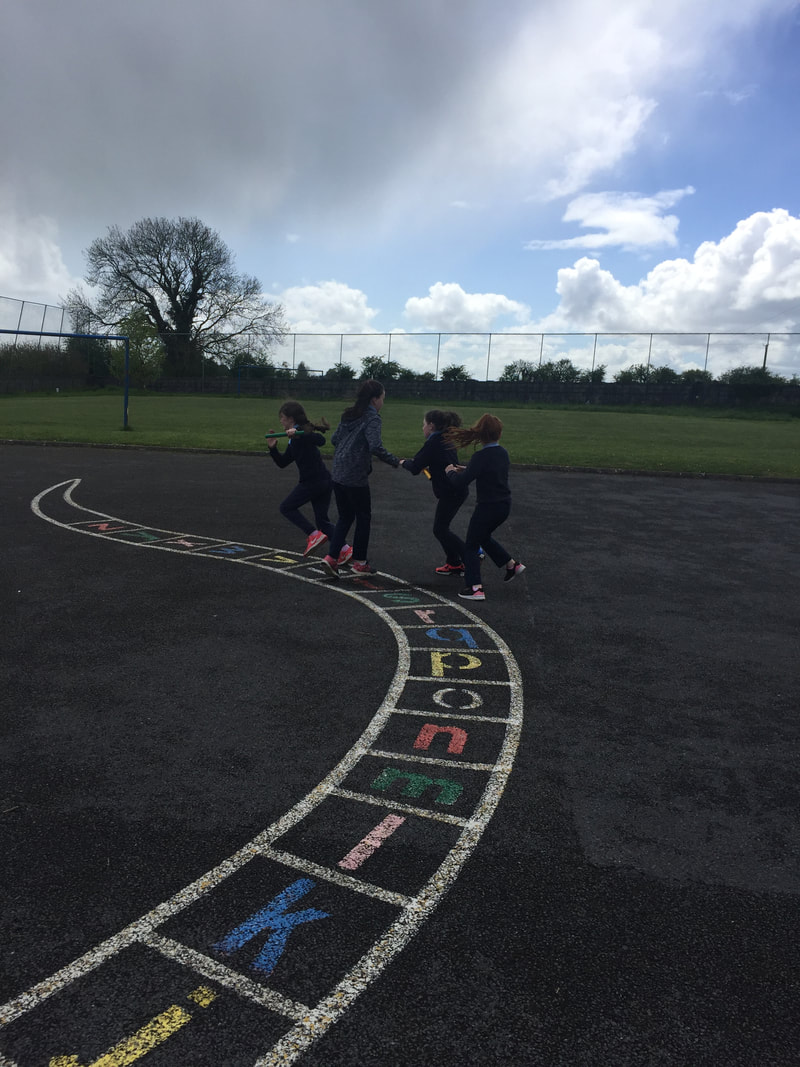
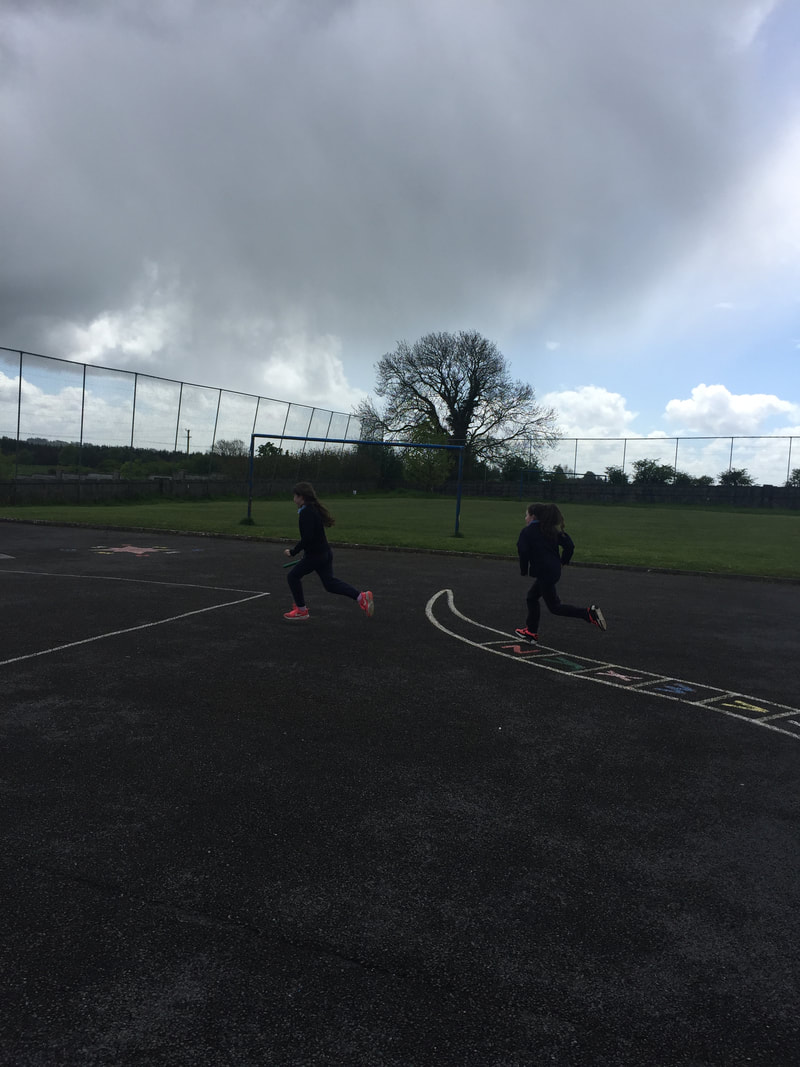
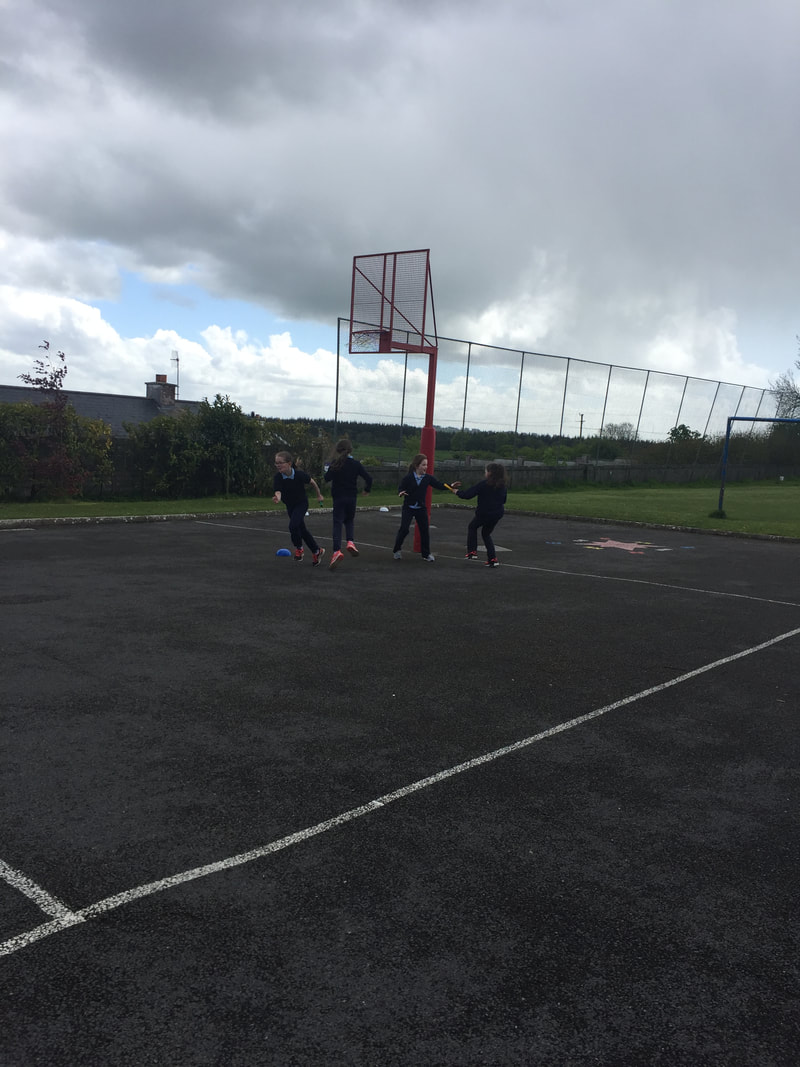
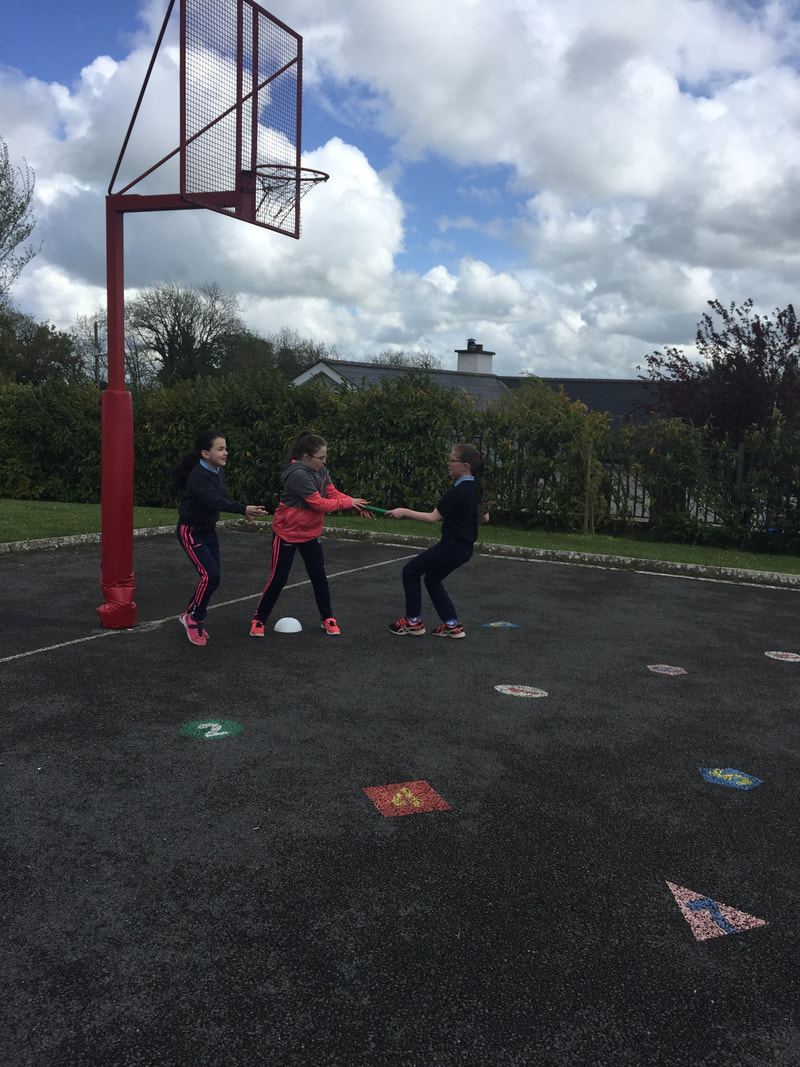


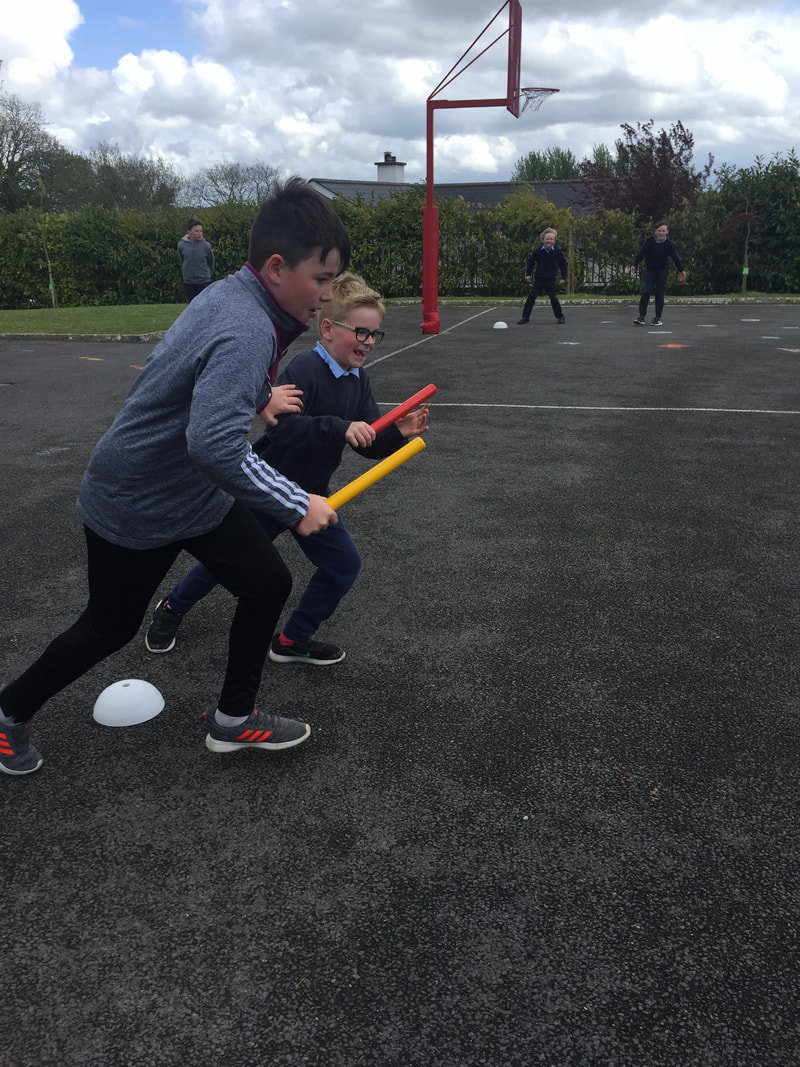

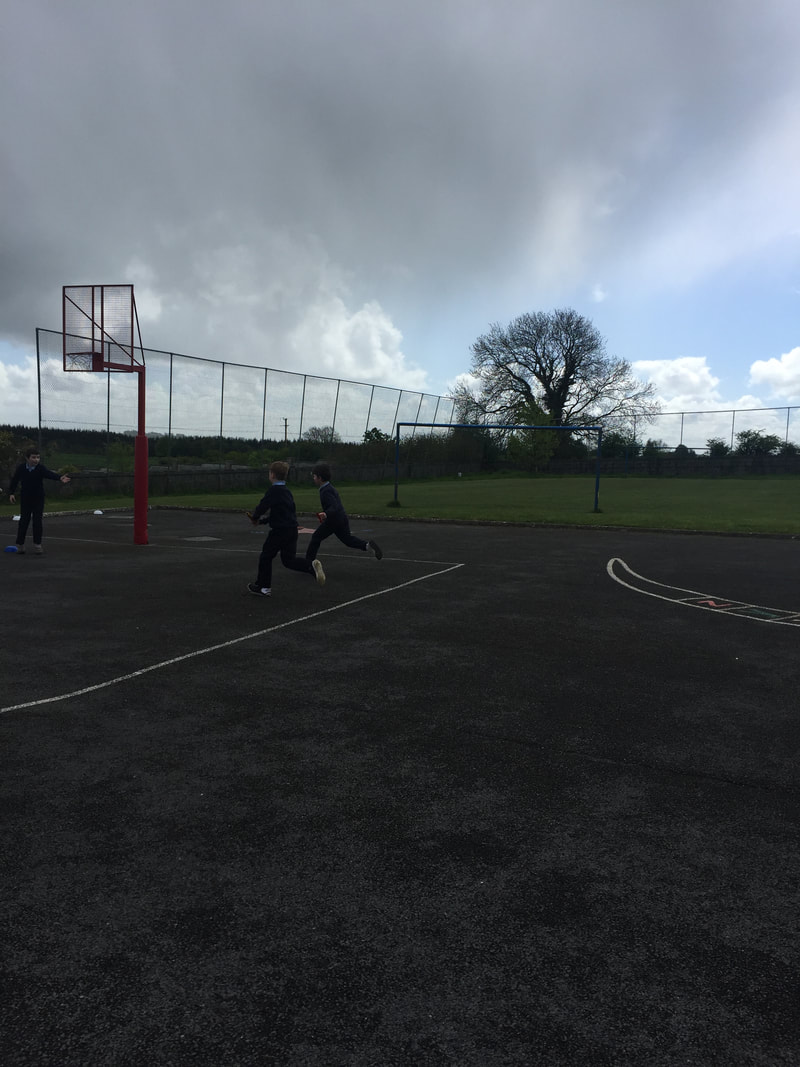
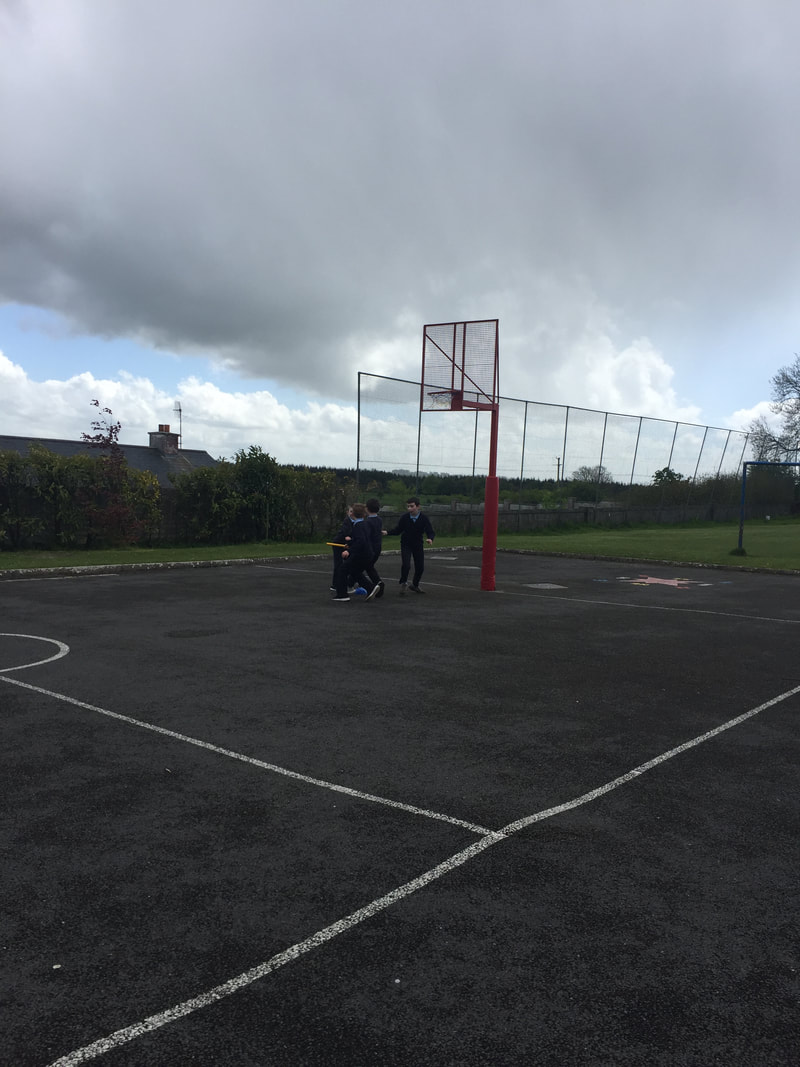
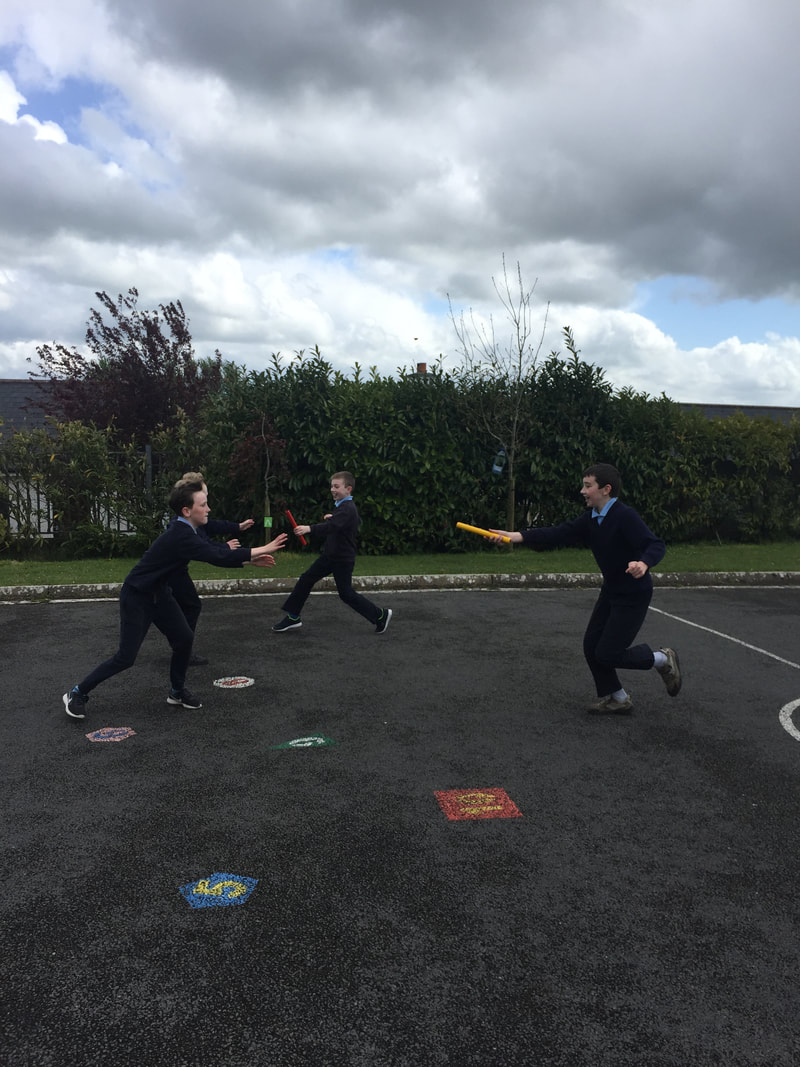

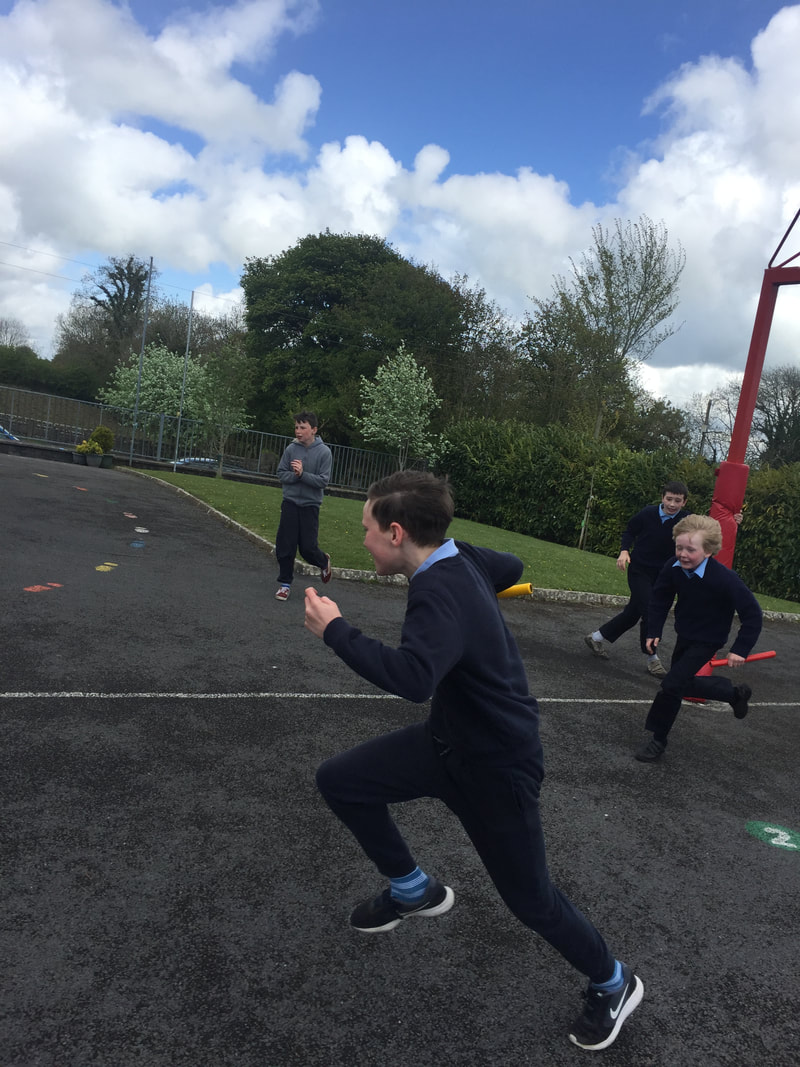
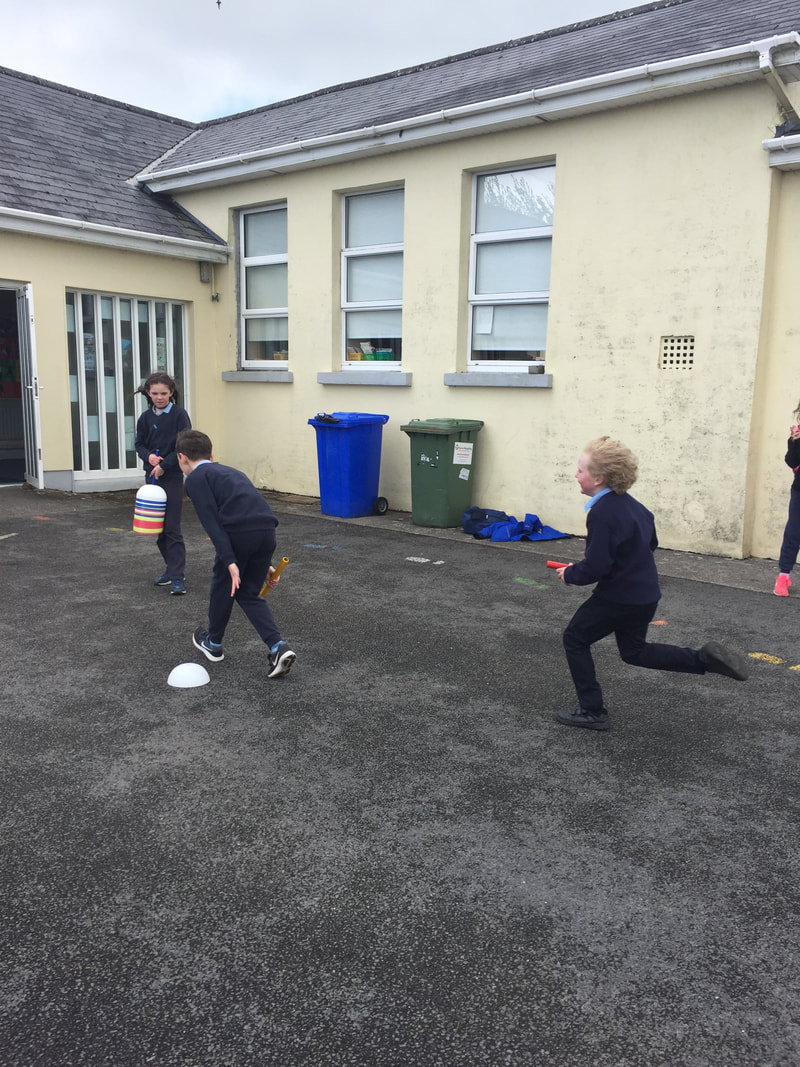
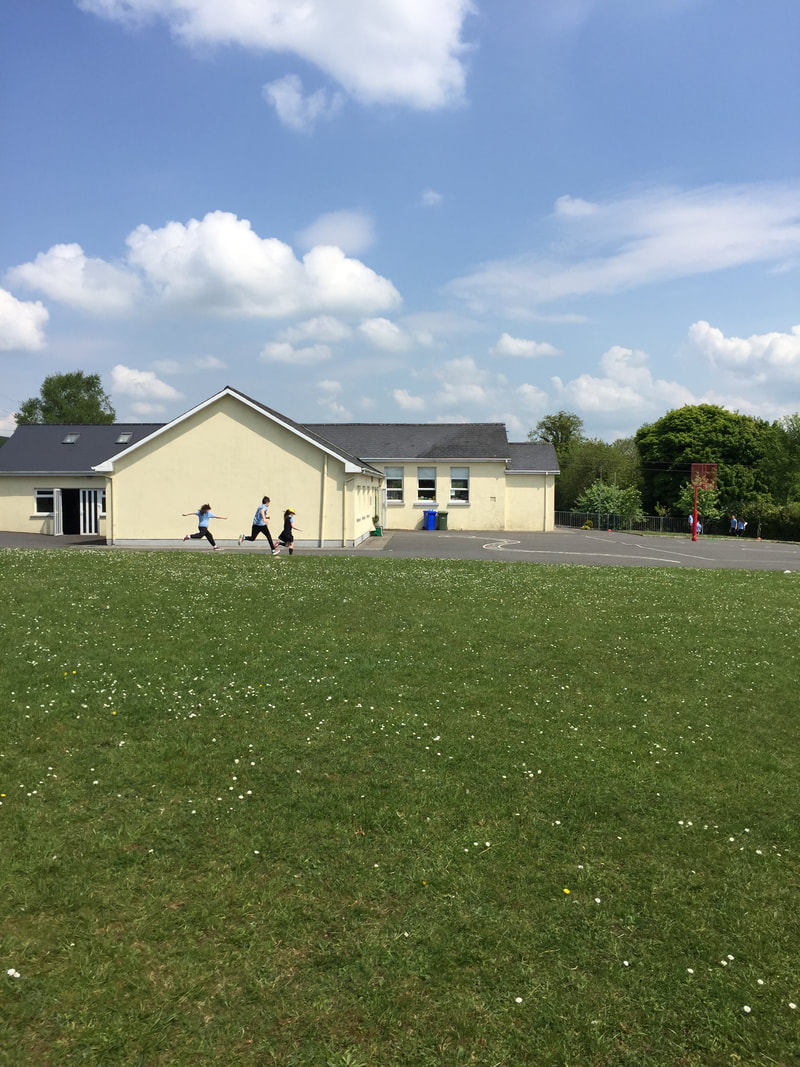
For the running strand unit the children enjoyed sprinting, long distance running and relays. Depending on the class level the children did standing start and reaction sprints, pair and group relay, running over flat markers (hurdles) and shuttle sprints of different distances.
Jumping
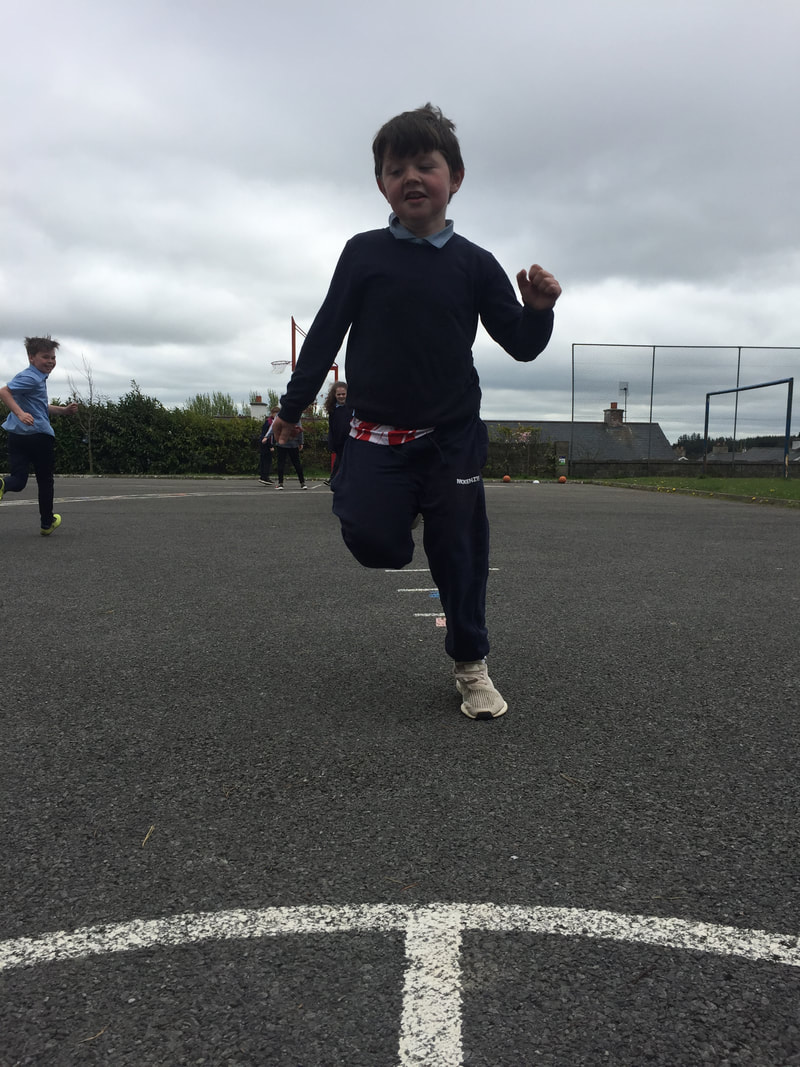
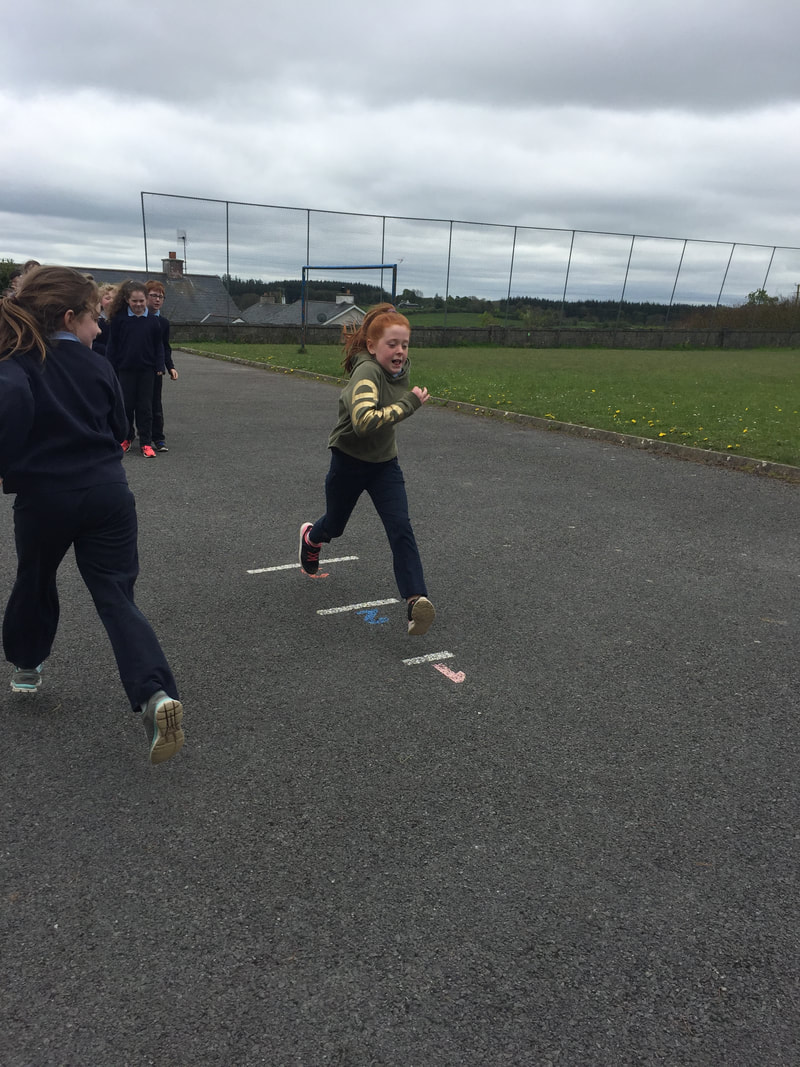
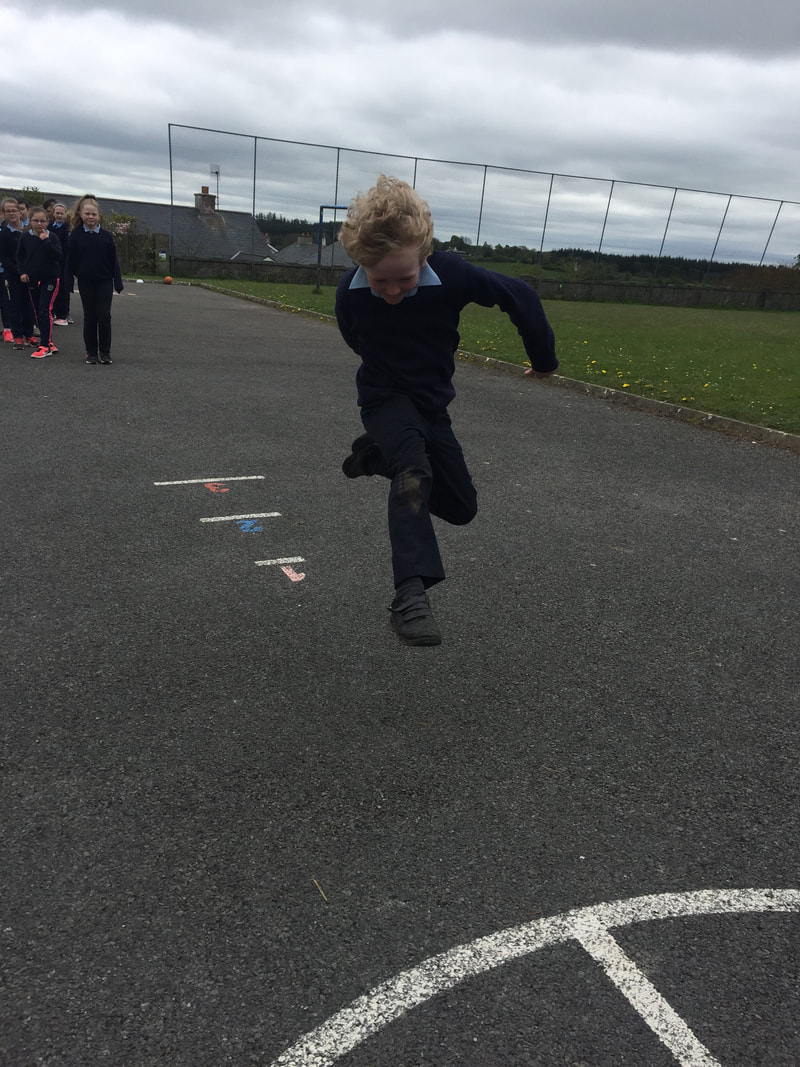
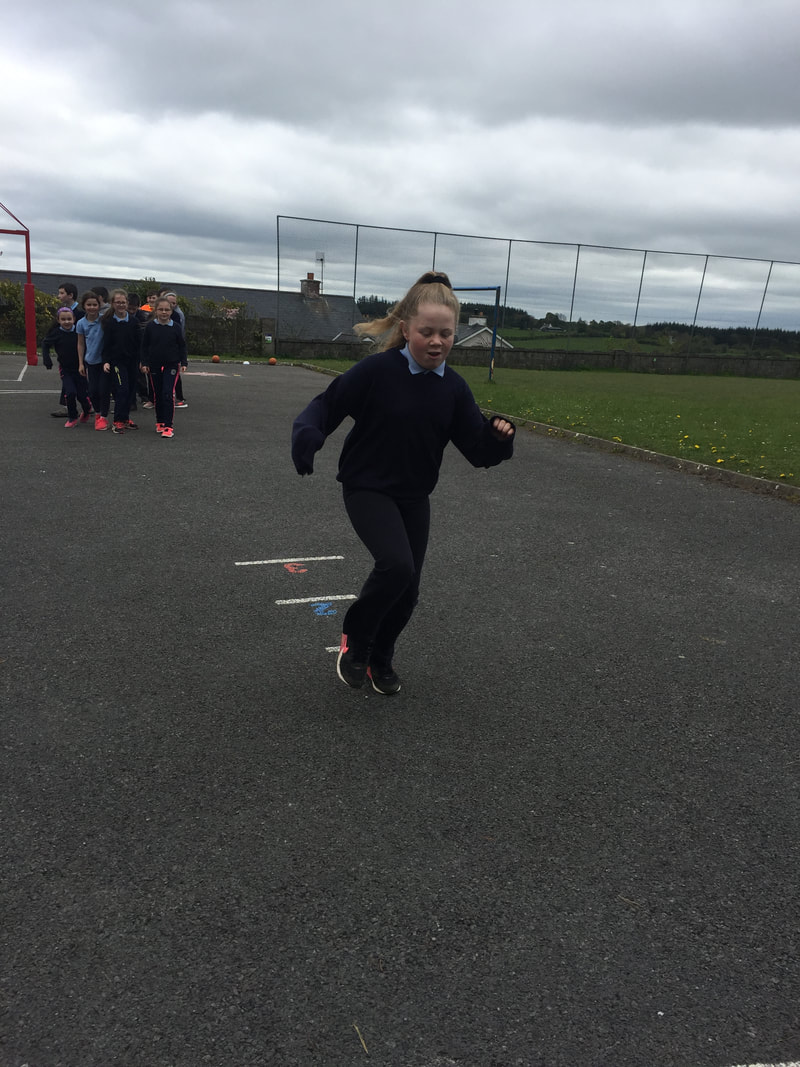
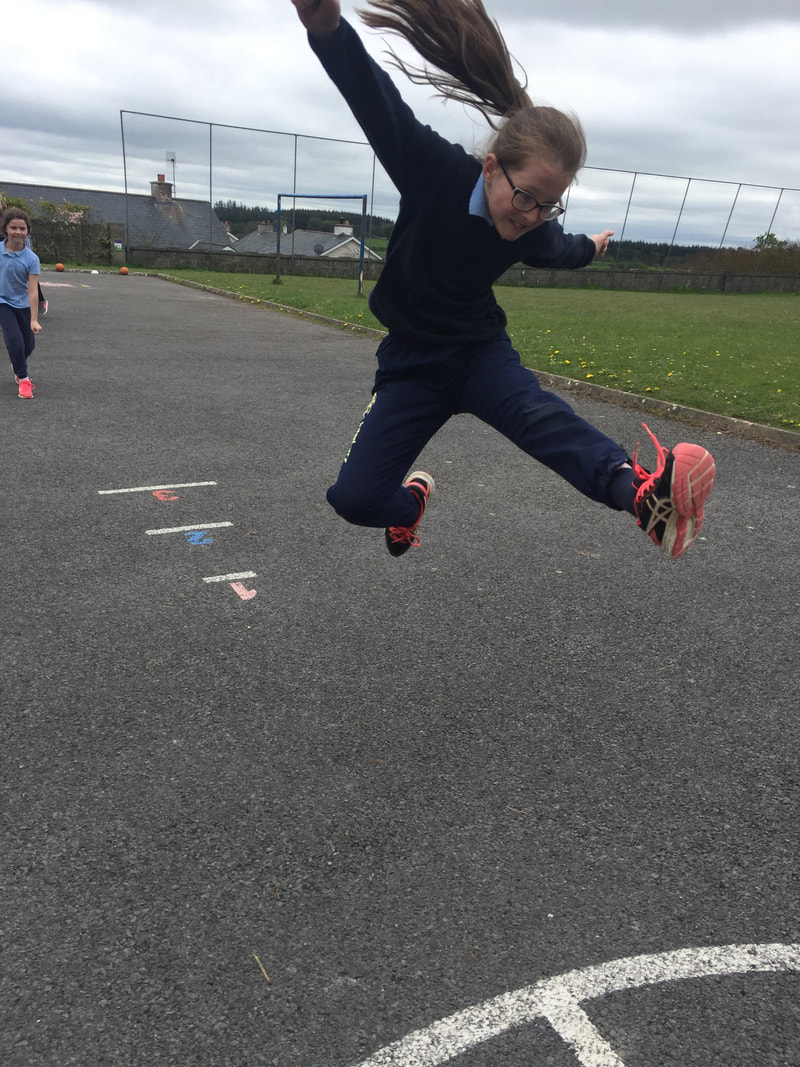
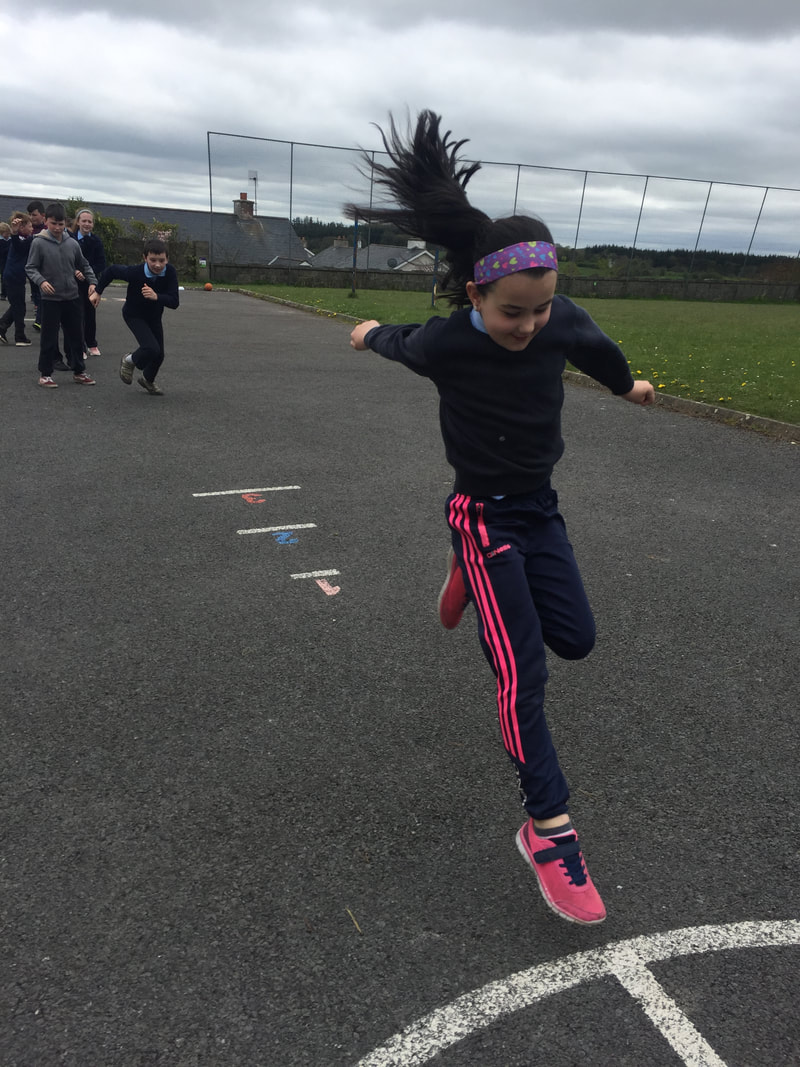
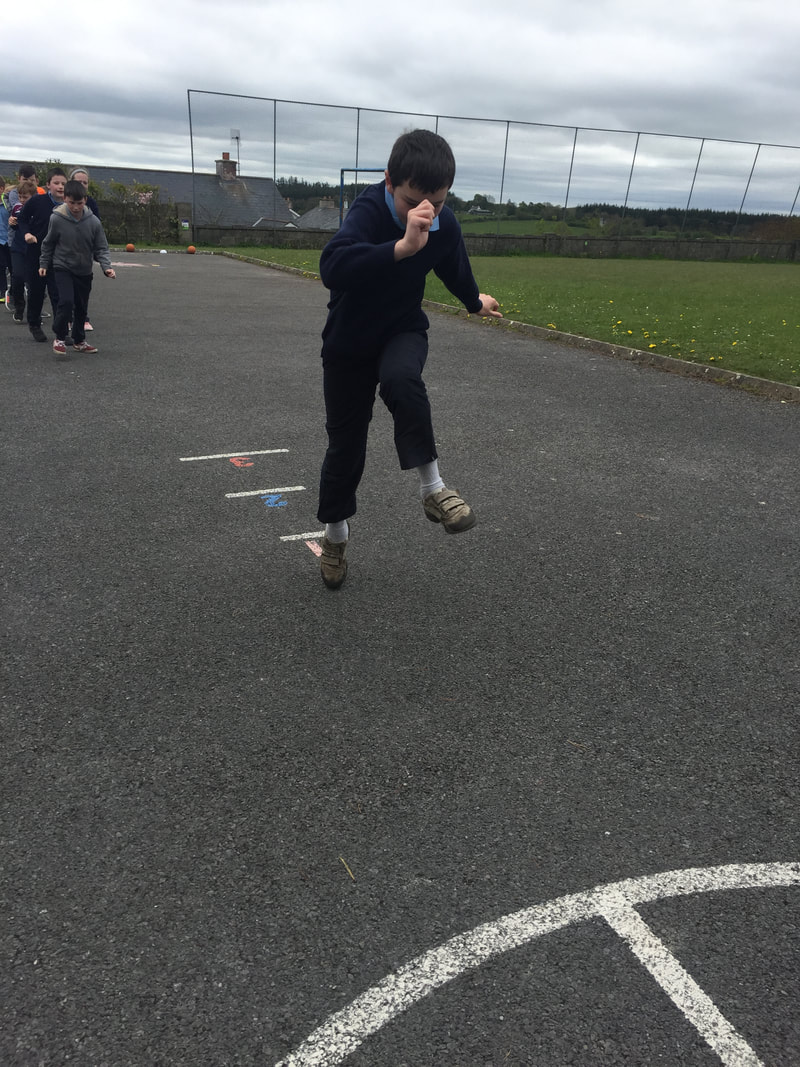
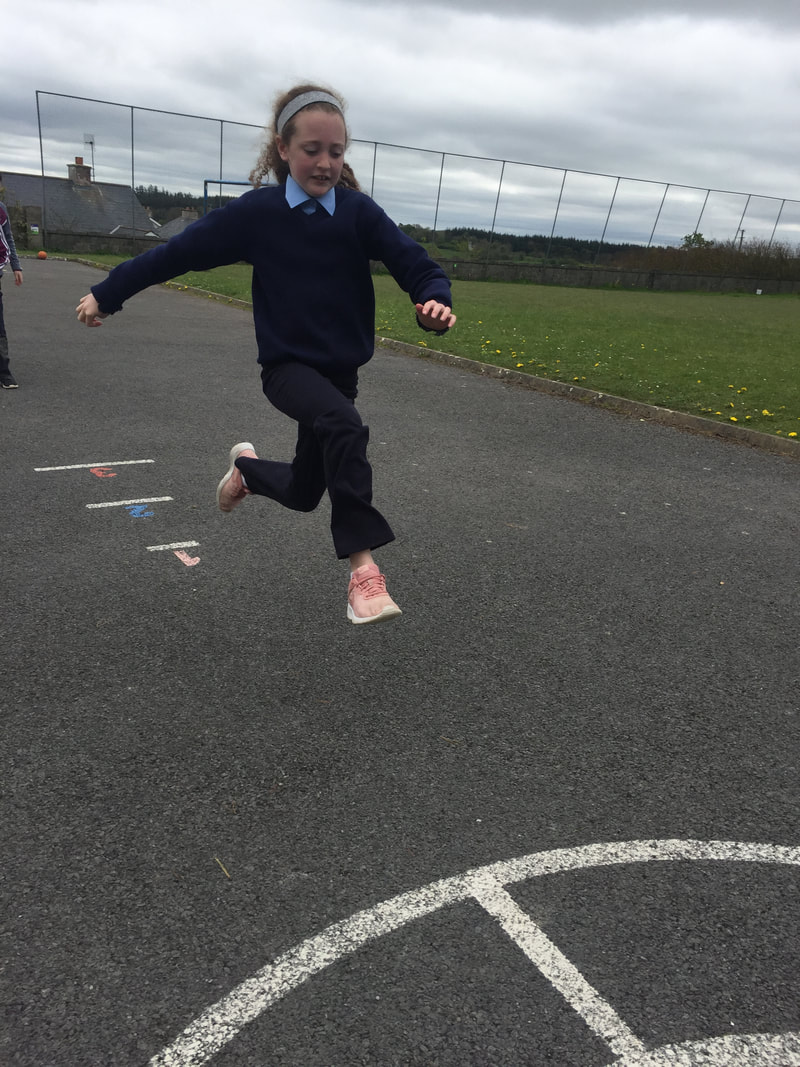
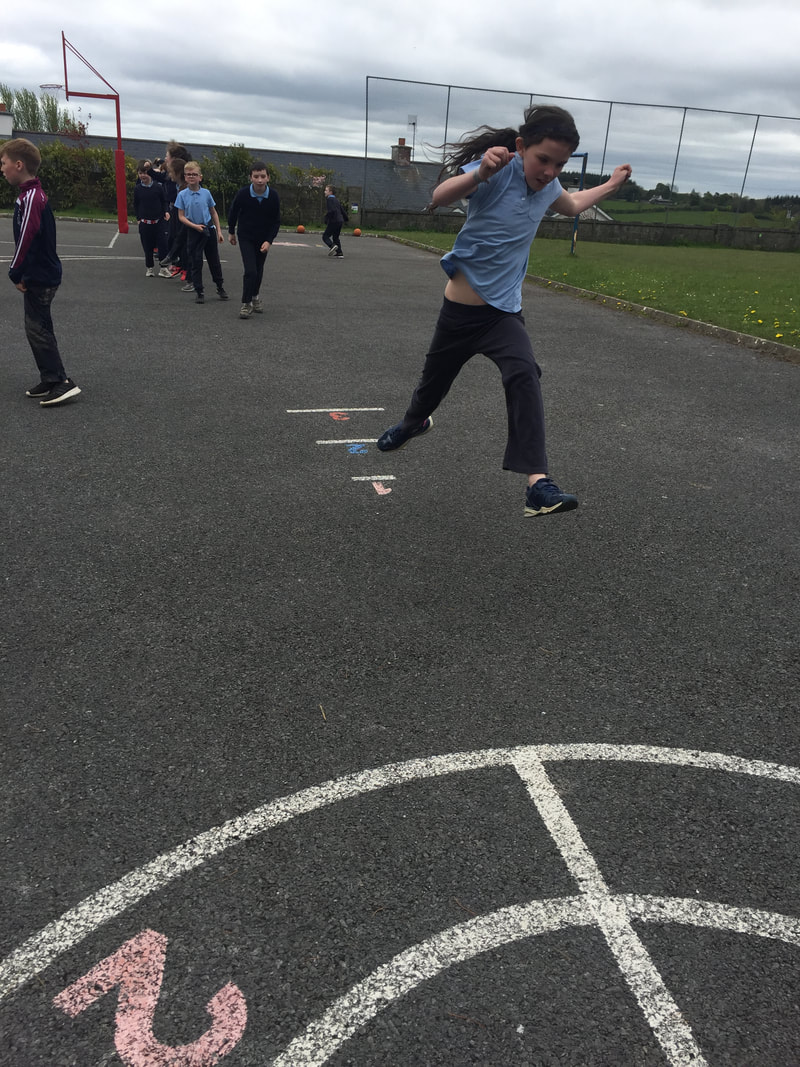
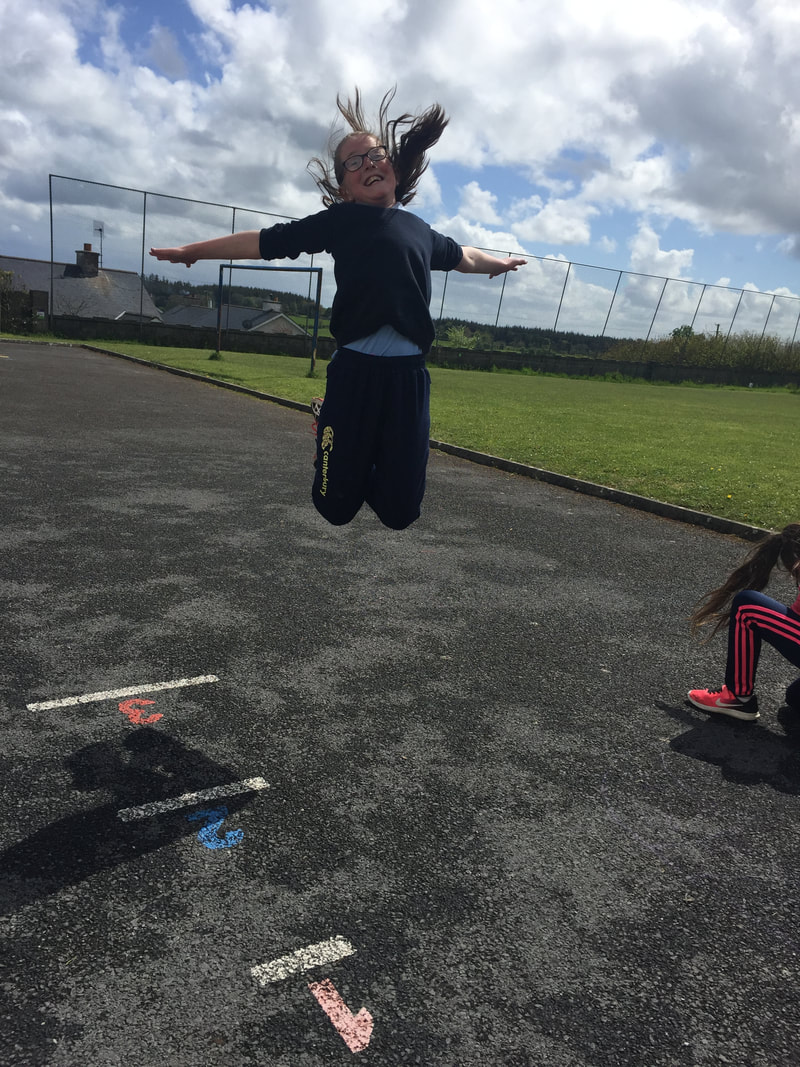

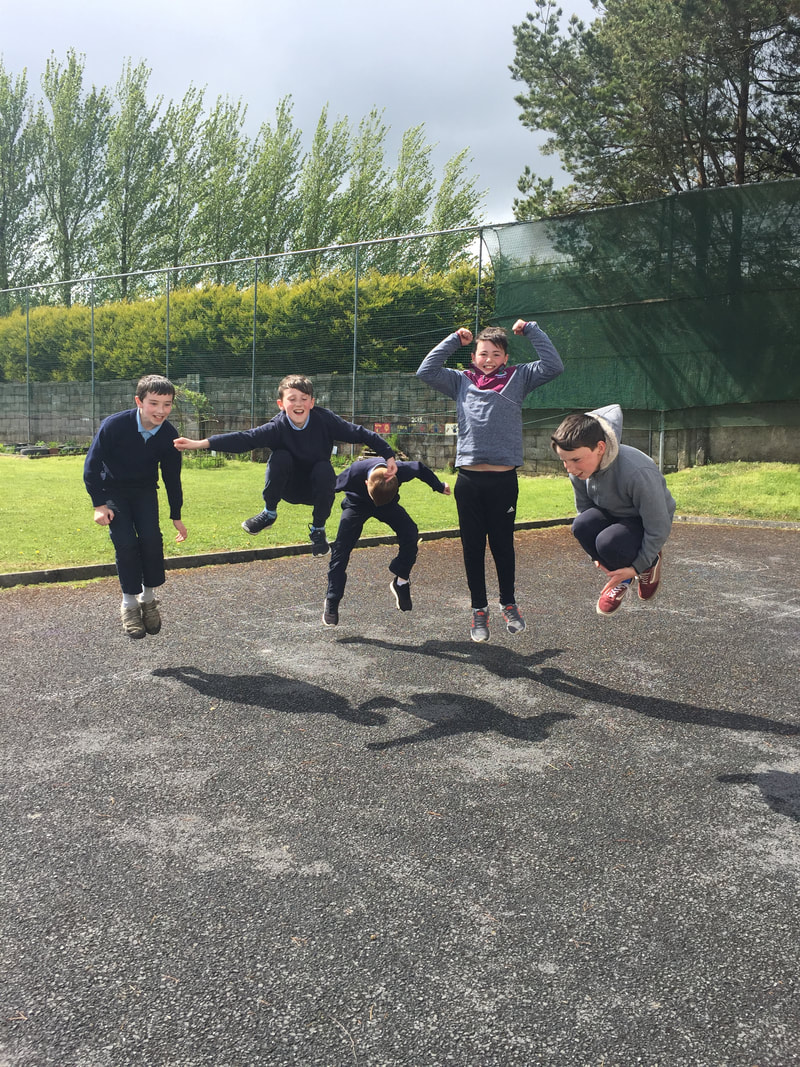
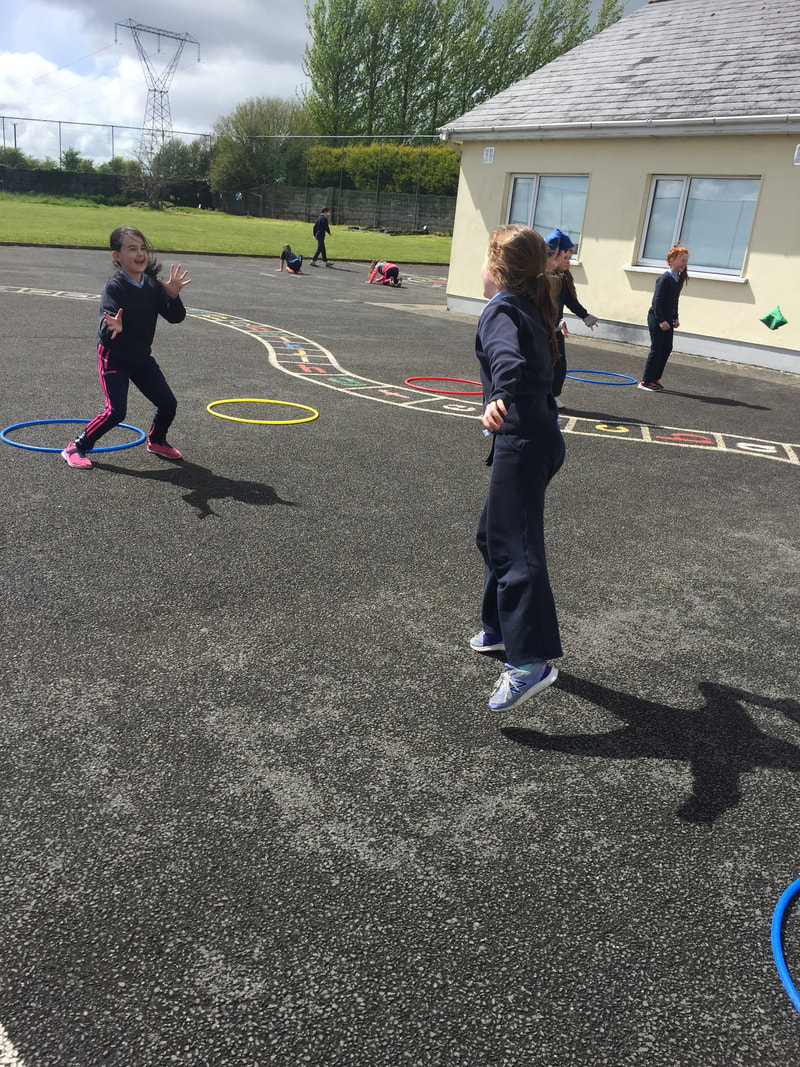
For the jumping strand unit, depending on our class we explored different aspects like jumping from 1 to 2 feet, 2 to 2 feet, our strides leading up to the jump, our landing and strategies for jumping for height and distance. We marked out different jumping courses with chalk.
Throwing
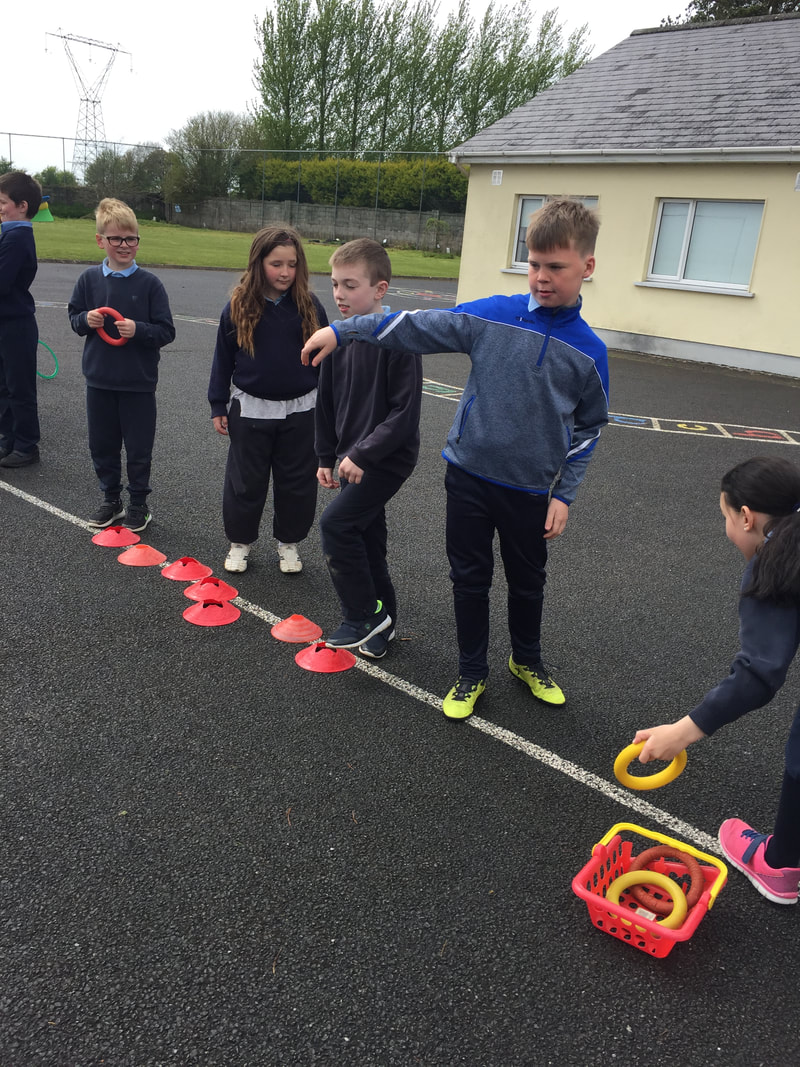
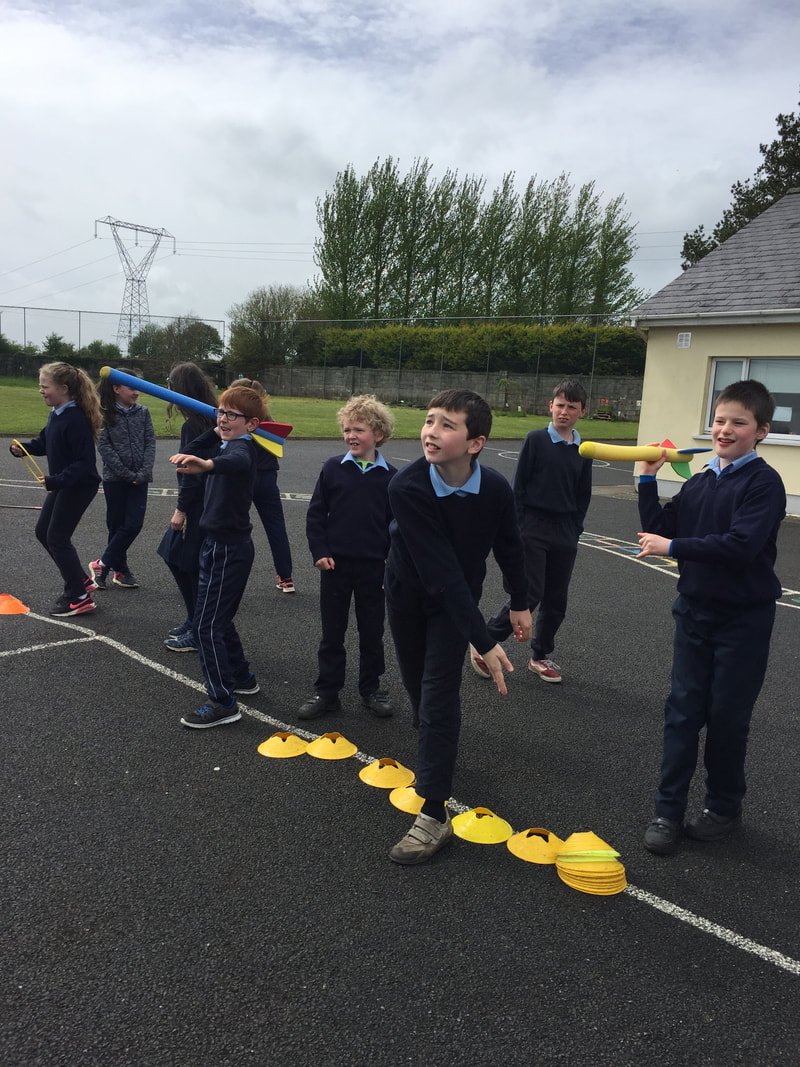
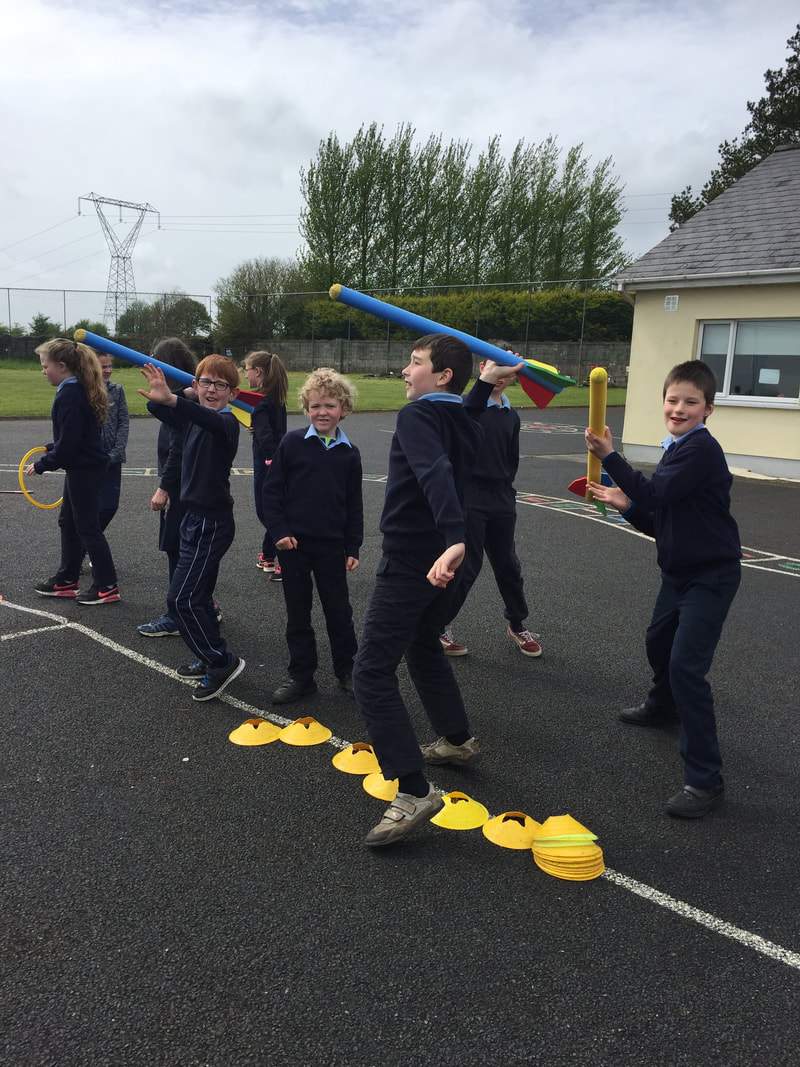
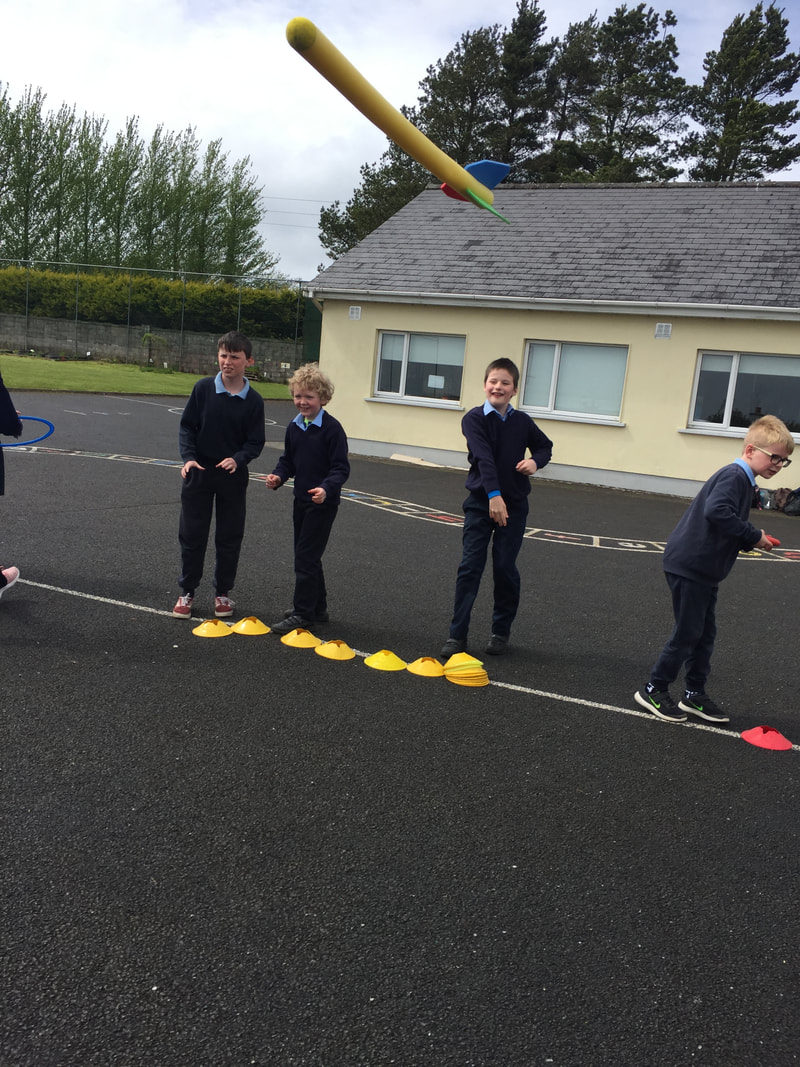
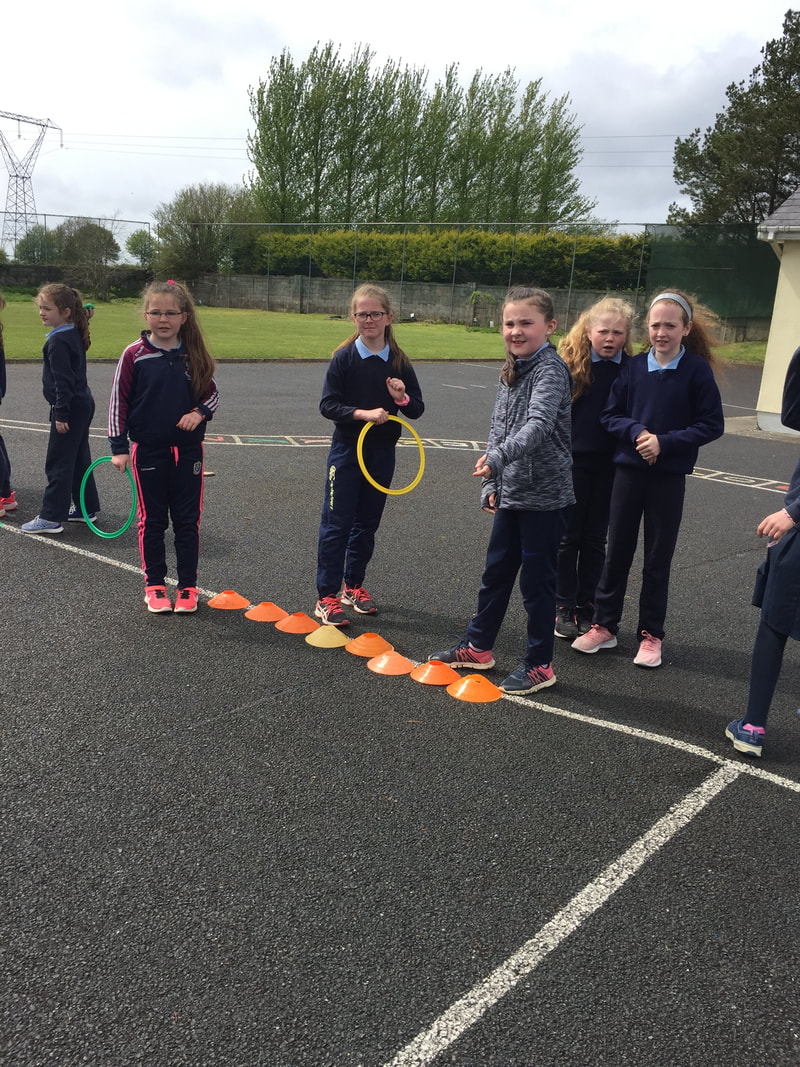
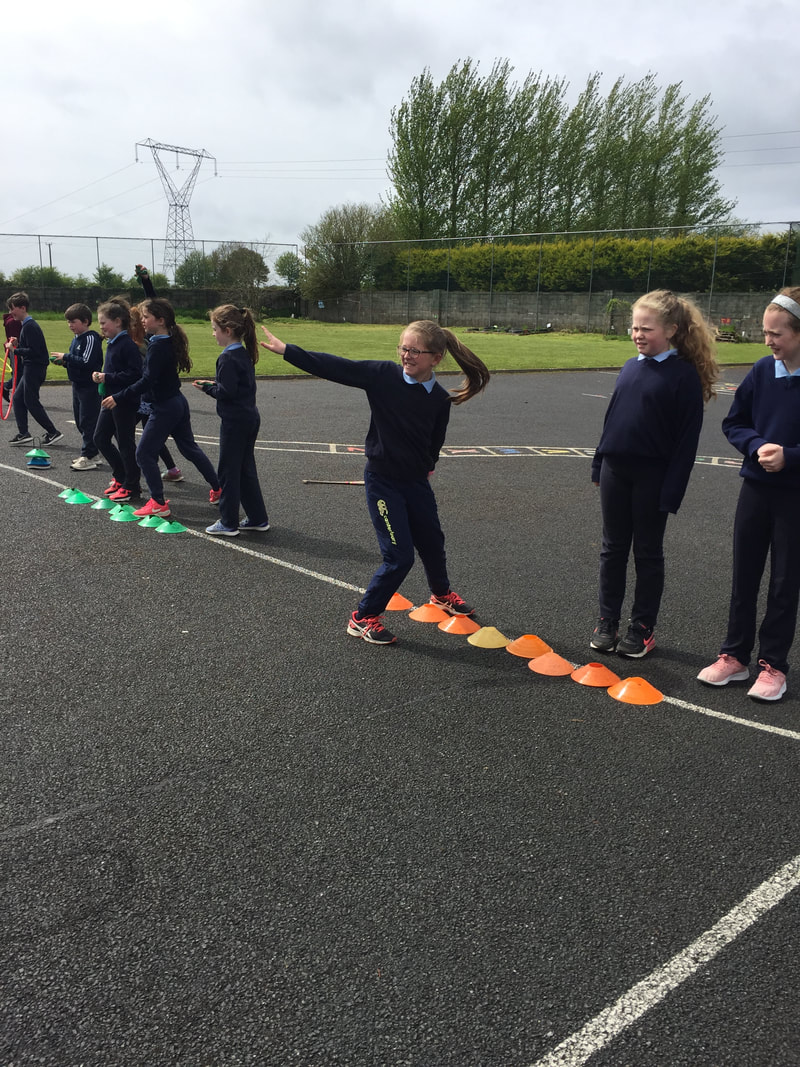
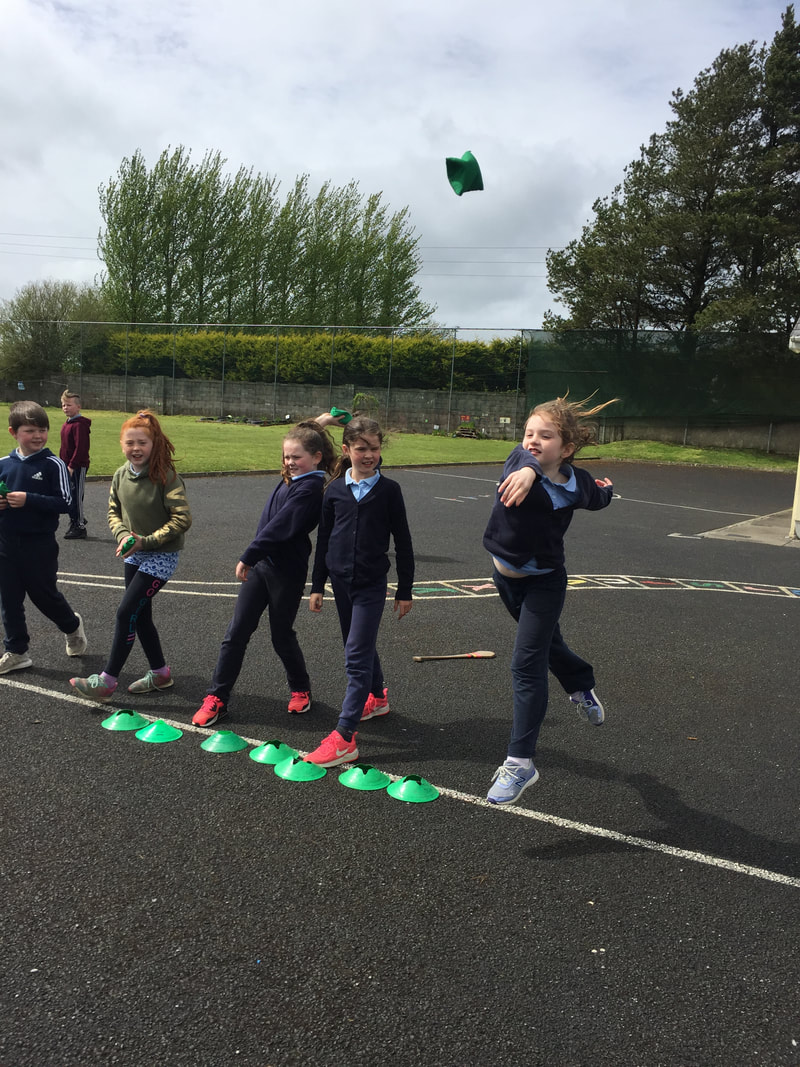
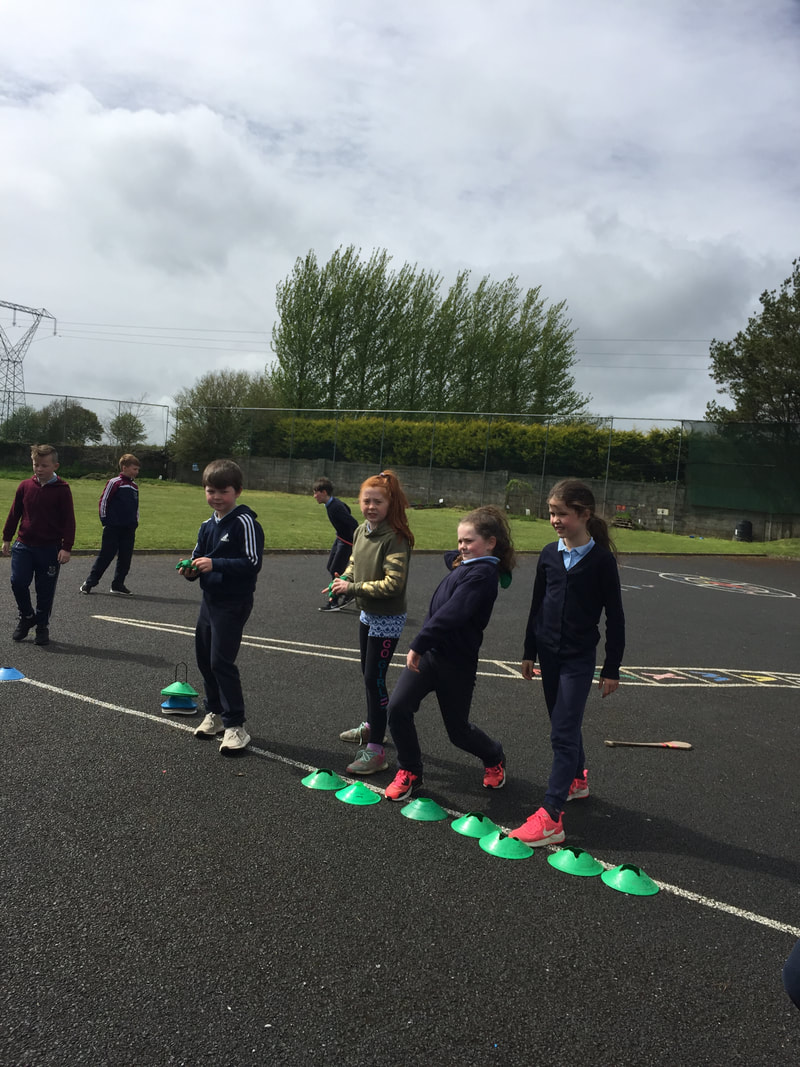
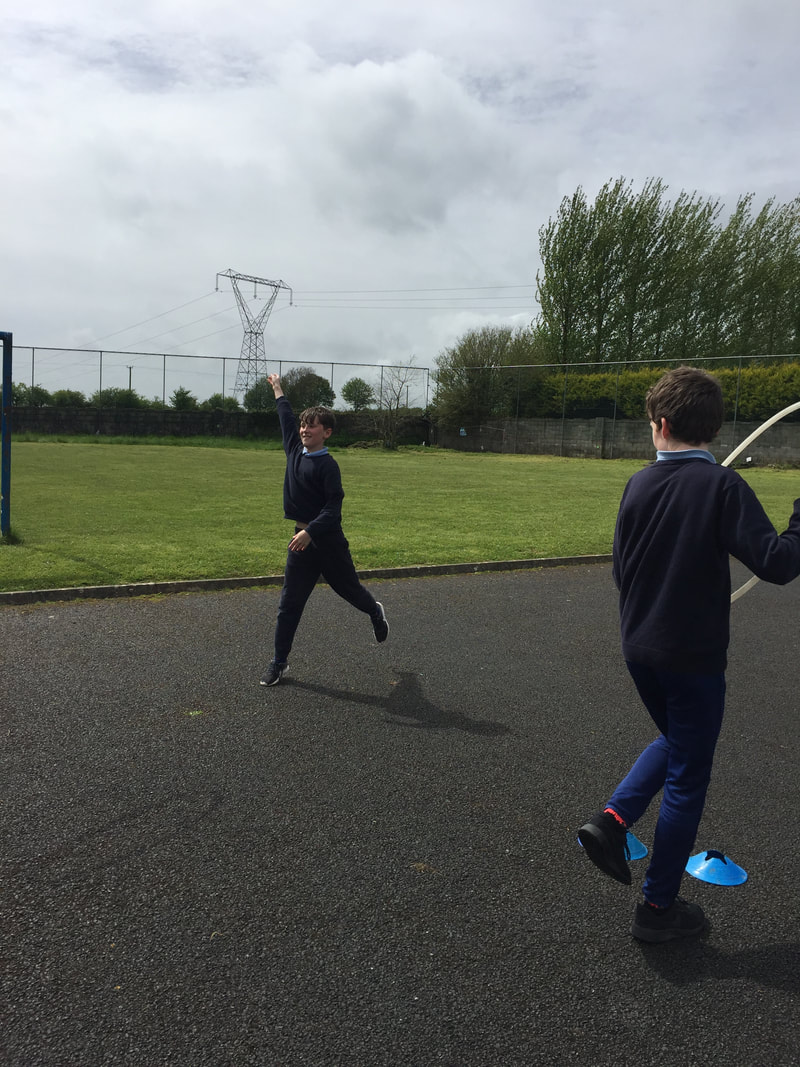
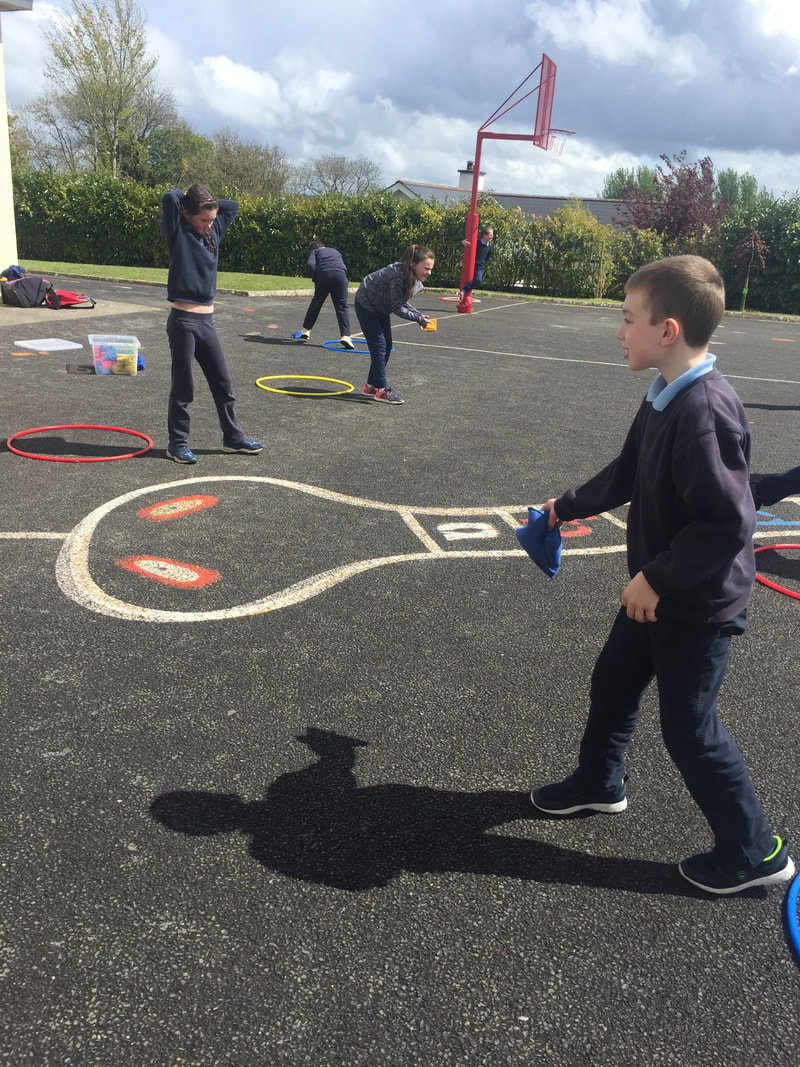
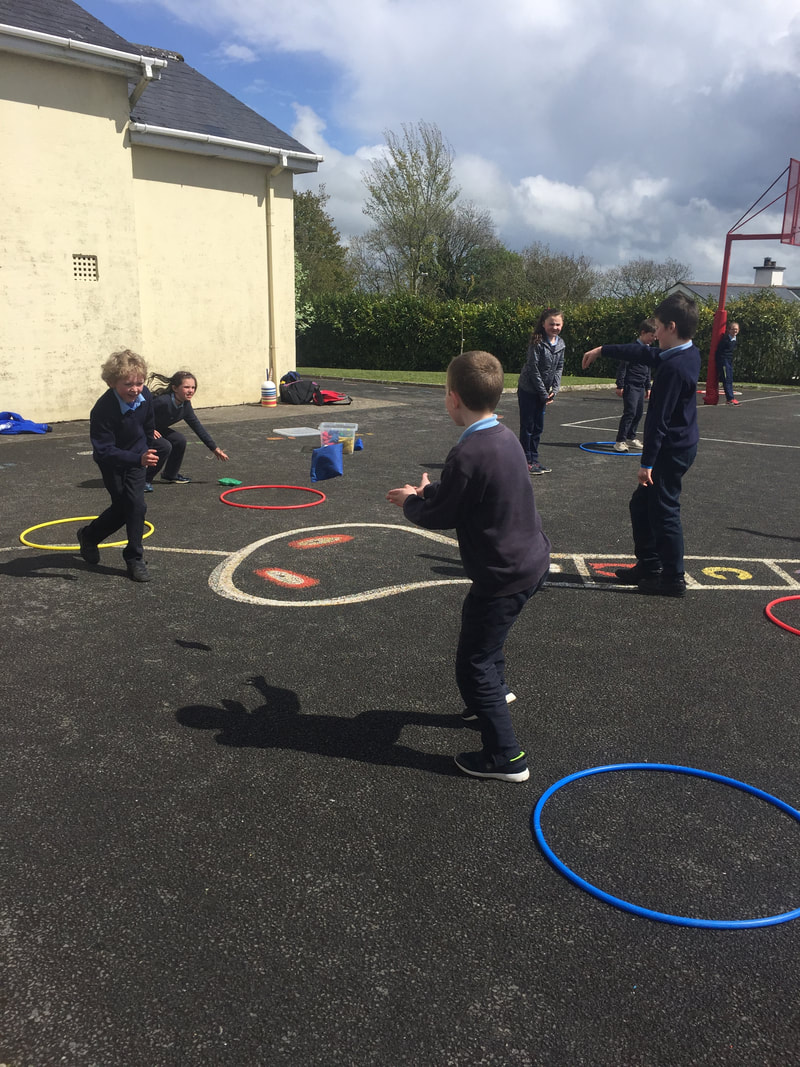
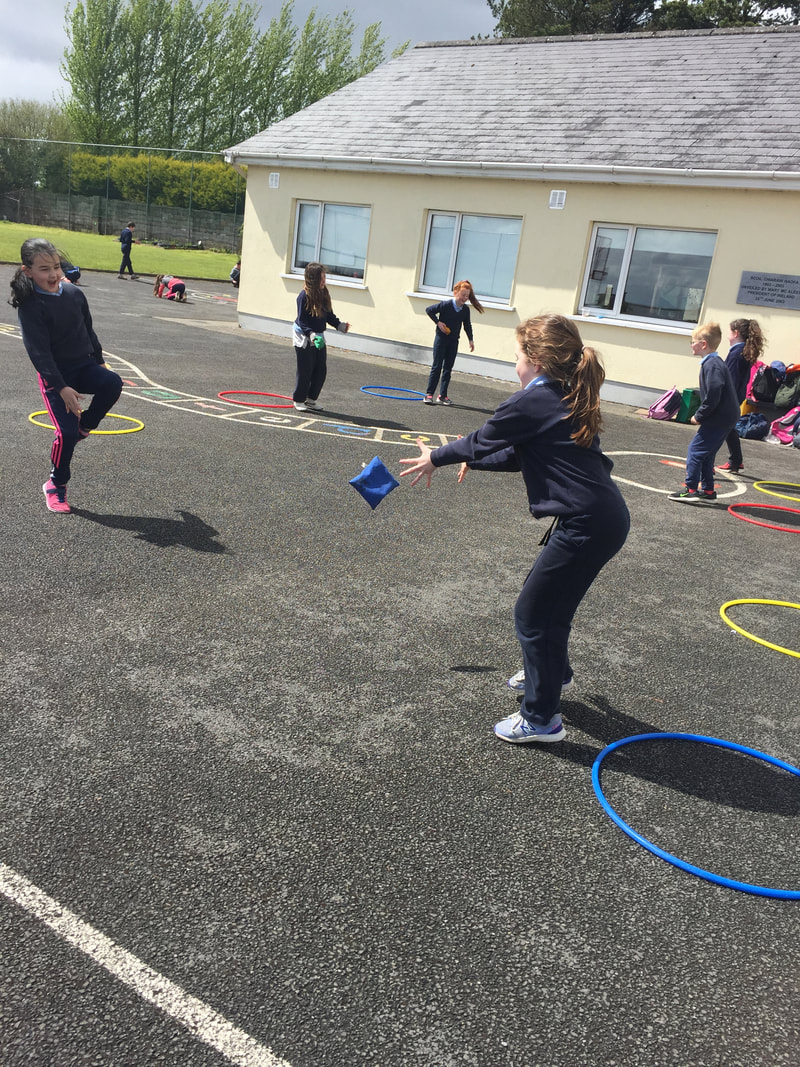
For the throwing strand unit, depending on our class level we did different activities. We did individual throws exploring height and distance, underarm throws into hoops using beanbags, underarm and overarm throws with bean bags for height and distance, overarm standing throws with beanbags, foam javelins, hoops, quoits and discuses, 3 stride approach using beanbags and foam javelins, putting technique using a heavier beanbags and discus throws using hoops and quoits.
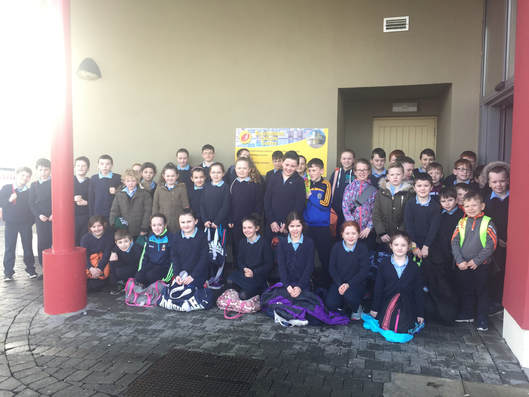
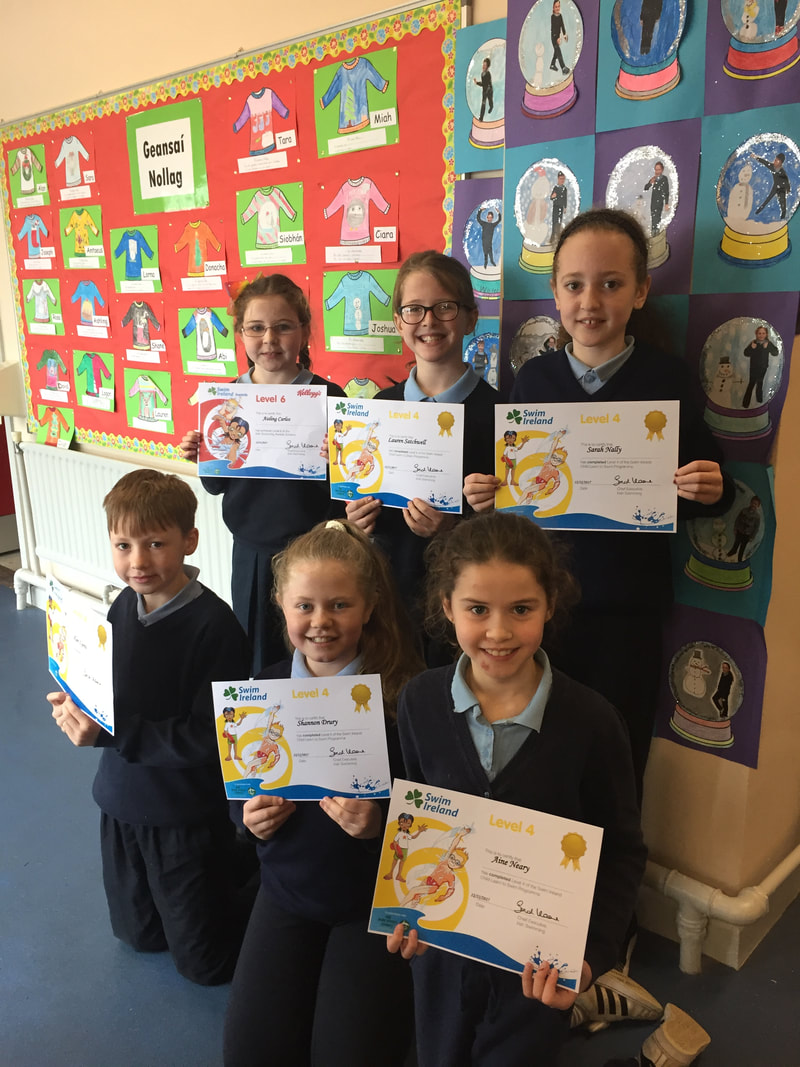
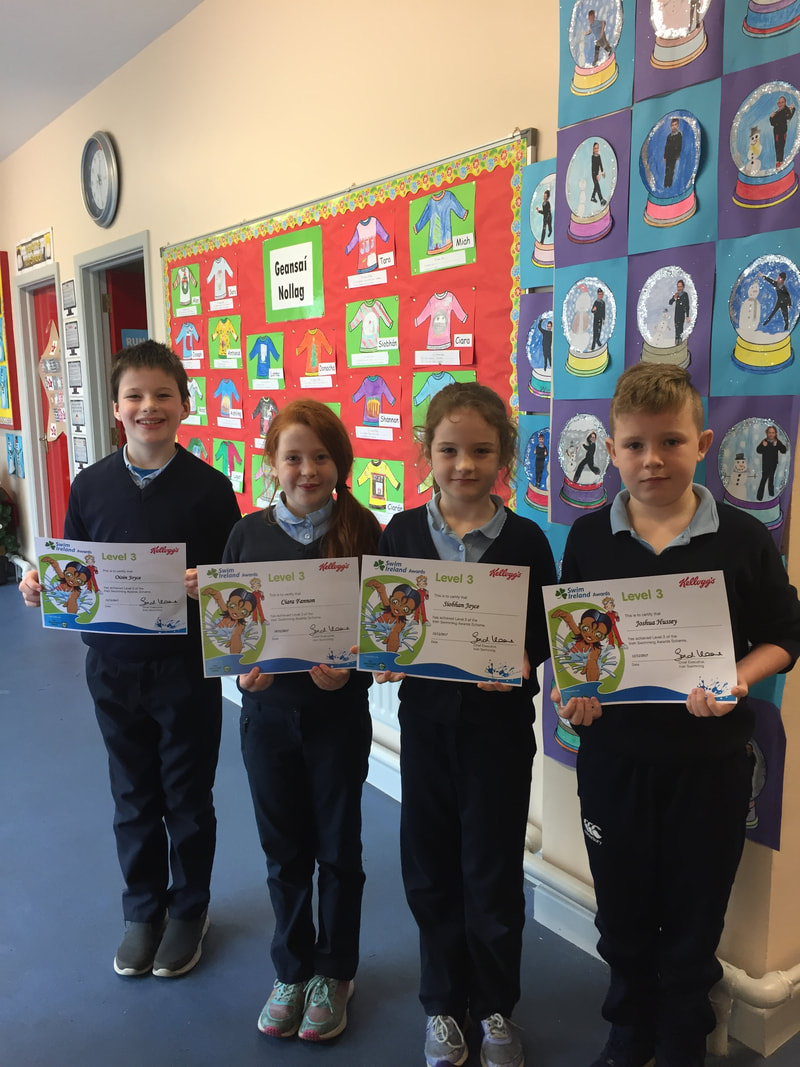
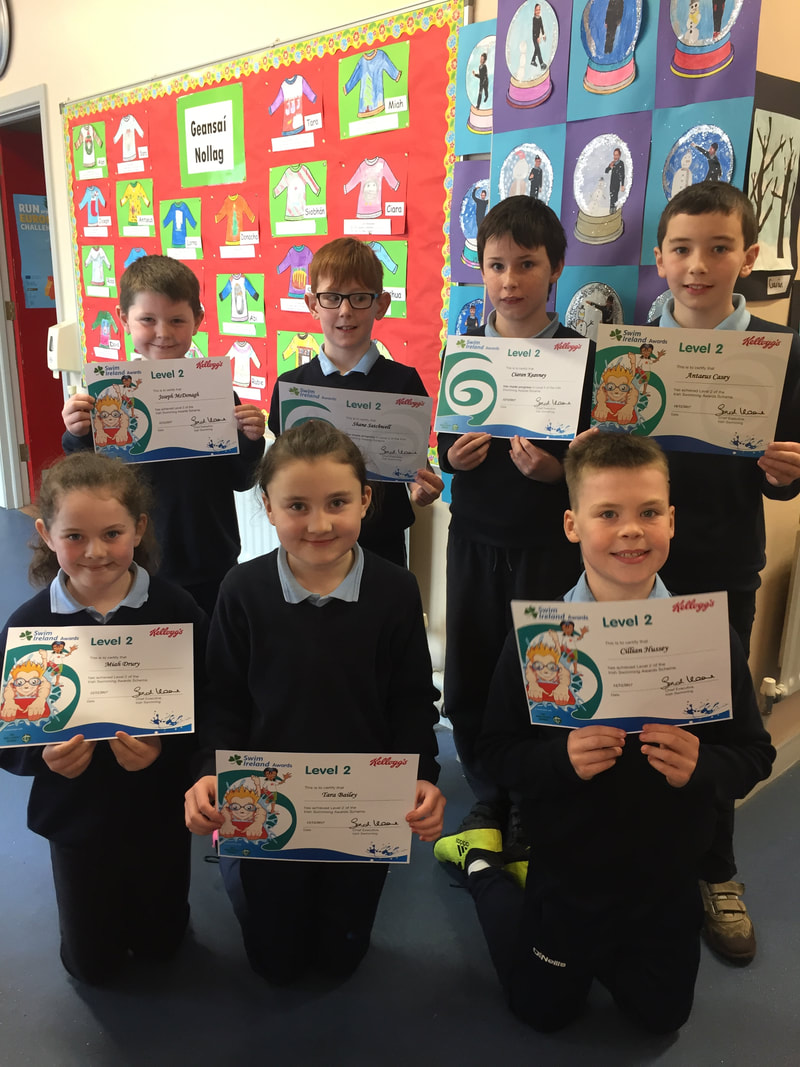
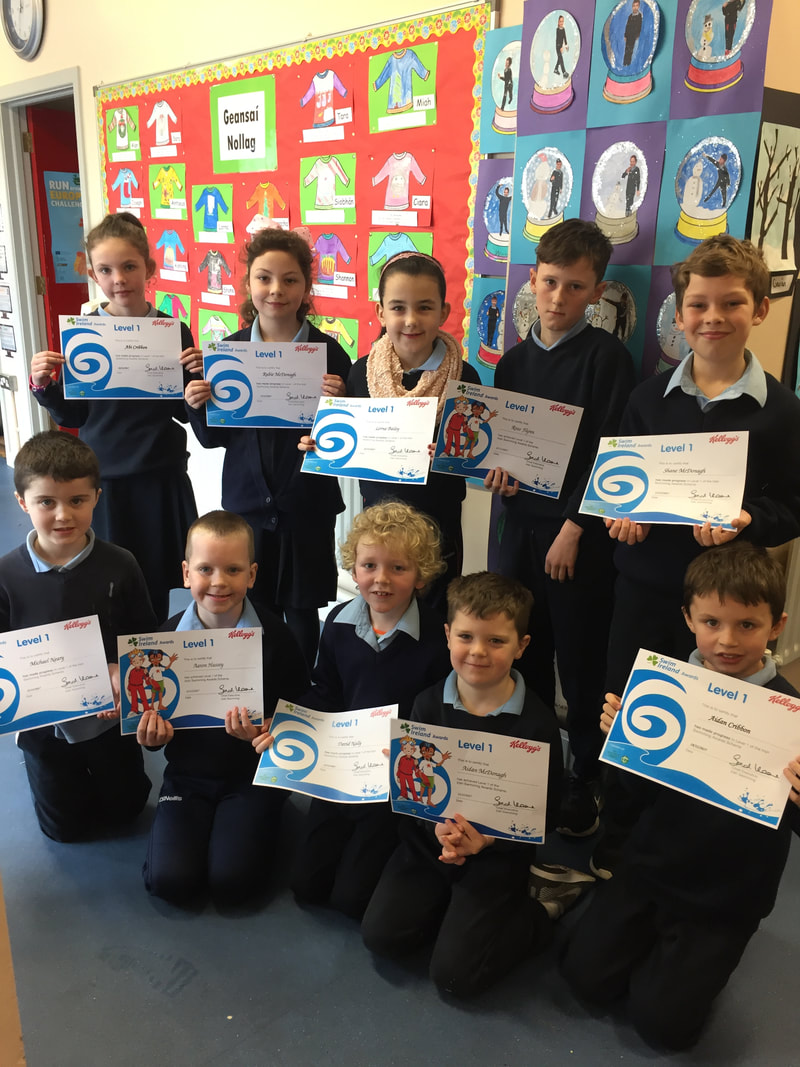
Aquatics
The strand units of the Aquatics curriculum include:
- Hygiene
- Water safety
- Entry to and exit from the water
- Buoyancy and propulsion
- Stroke development
- Water-based ball games
- Understanding and appreciation of aquatics
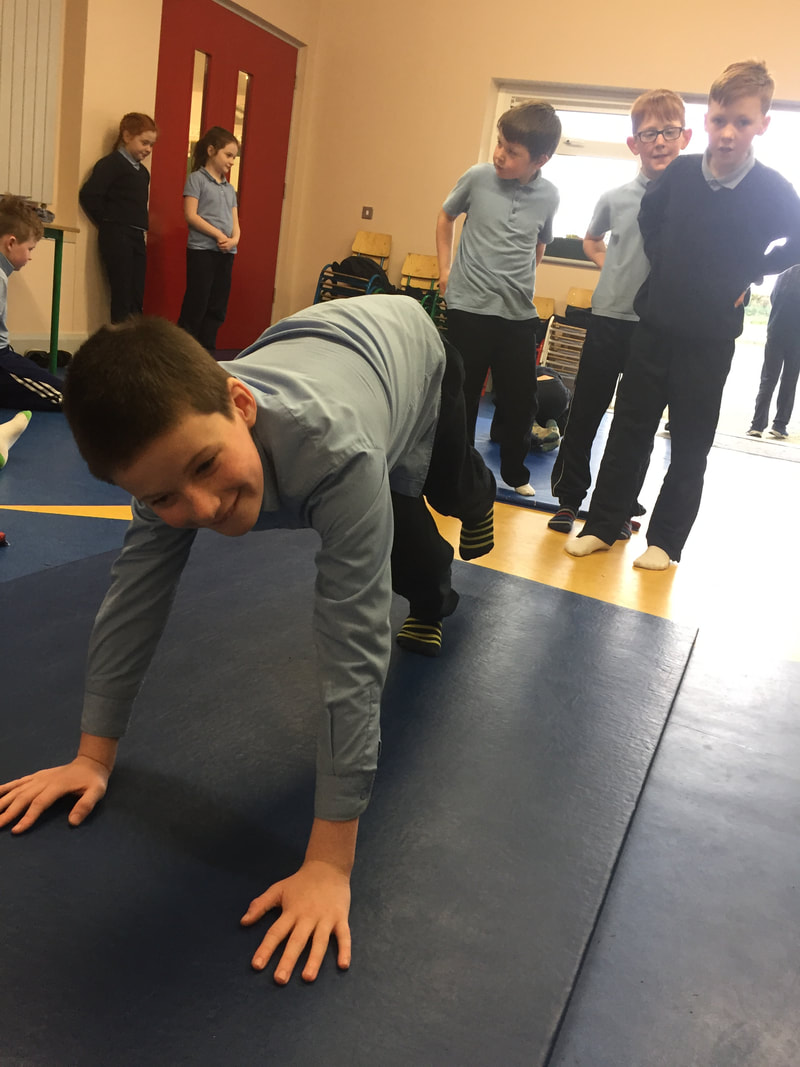
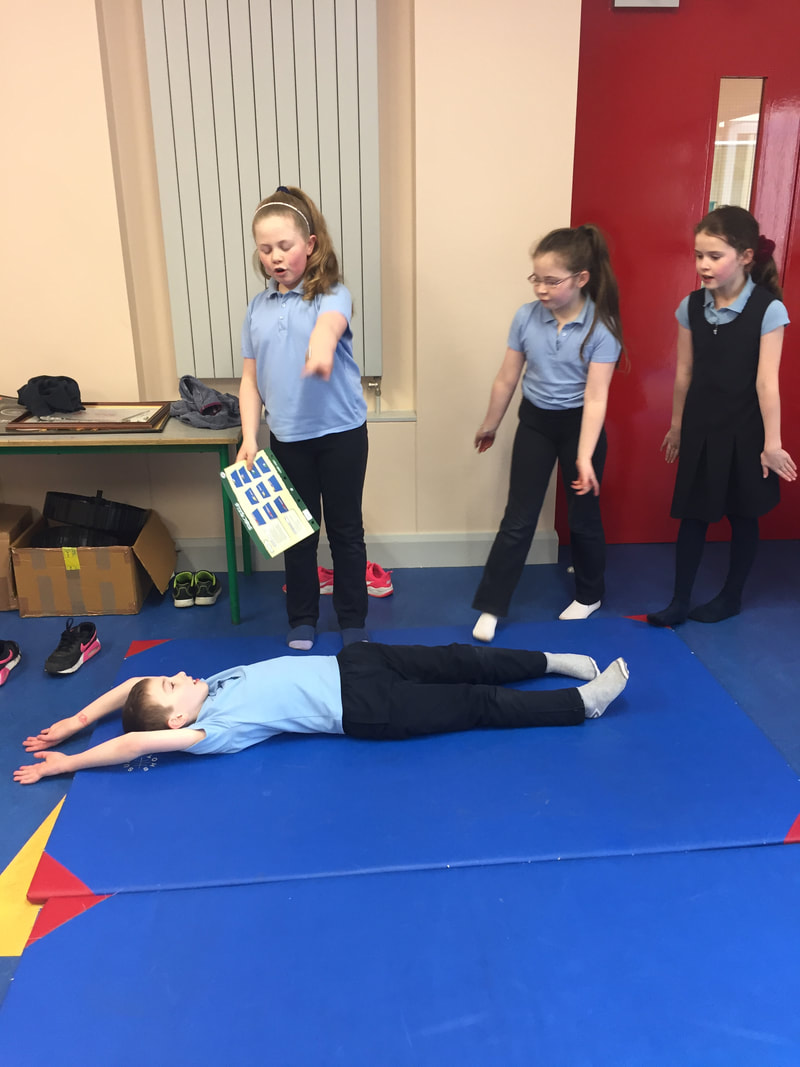
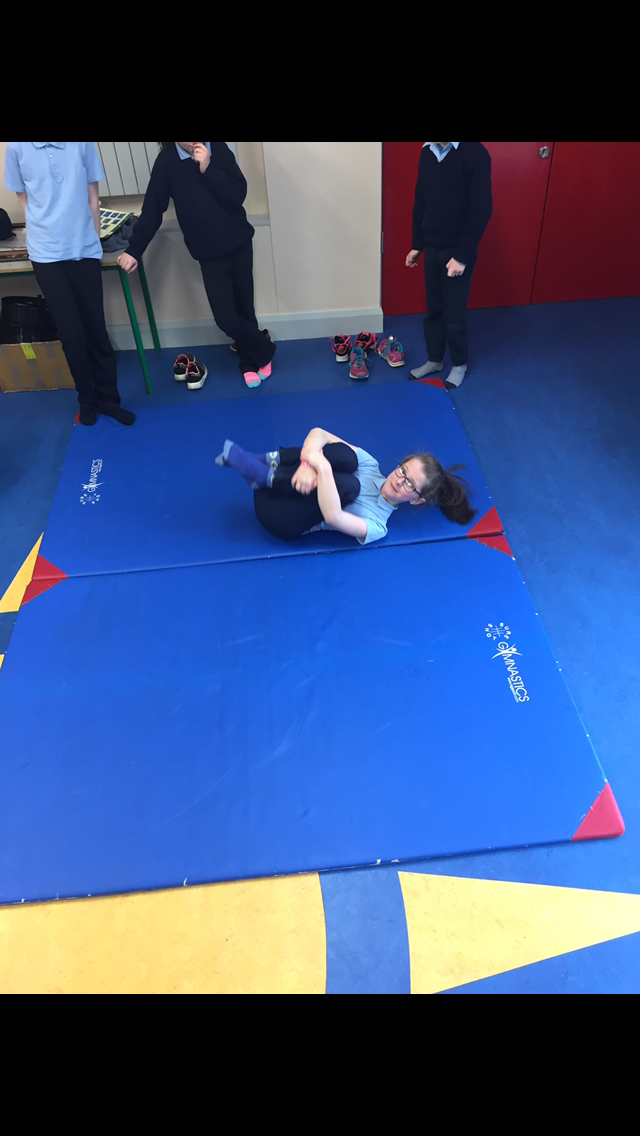
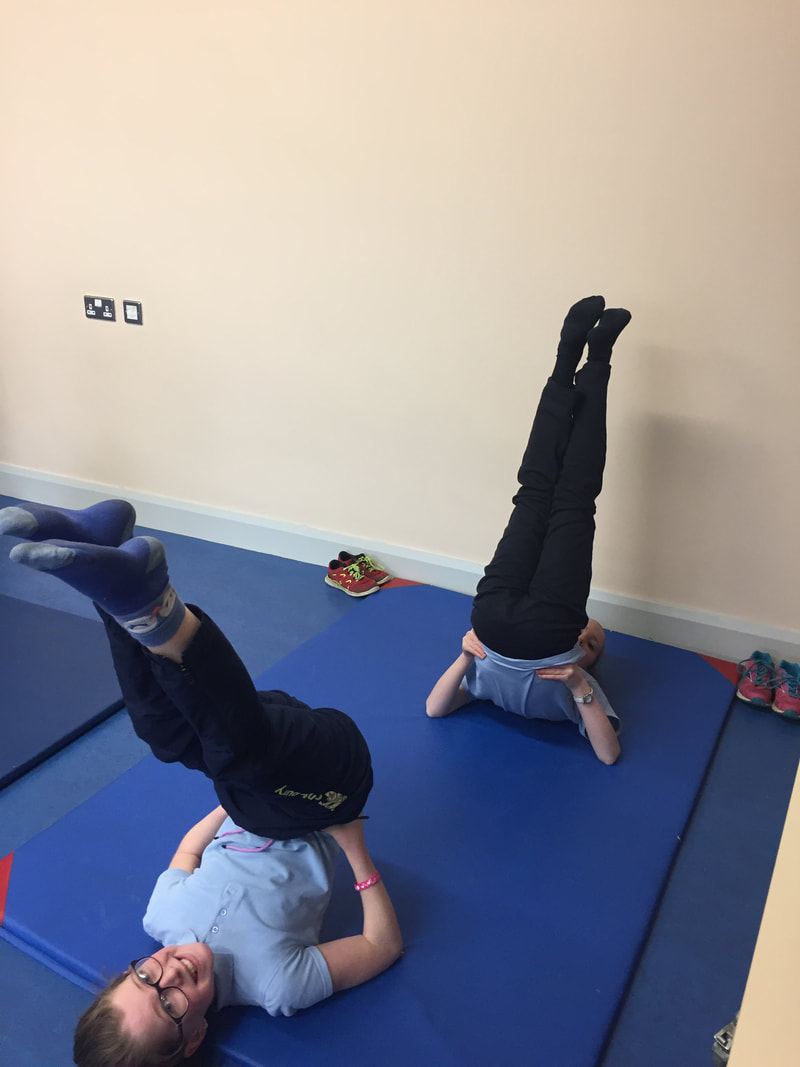
Gynmastics
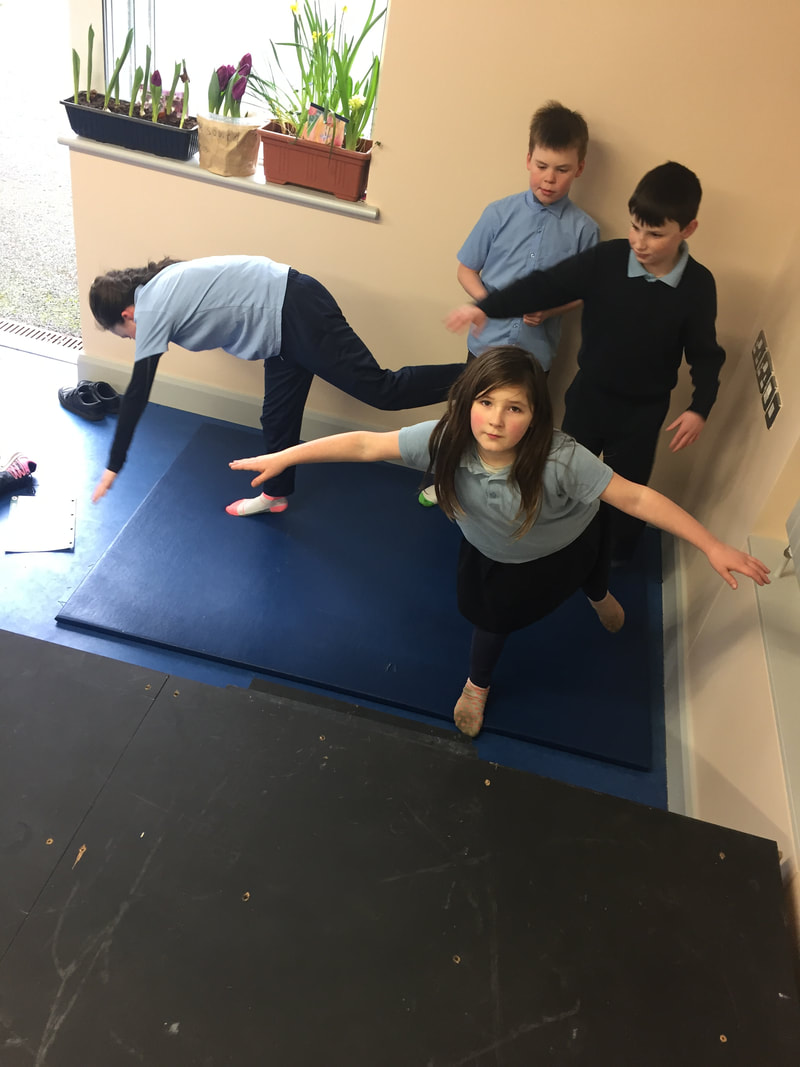
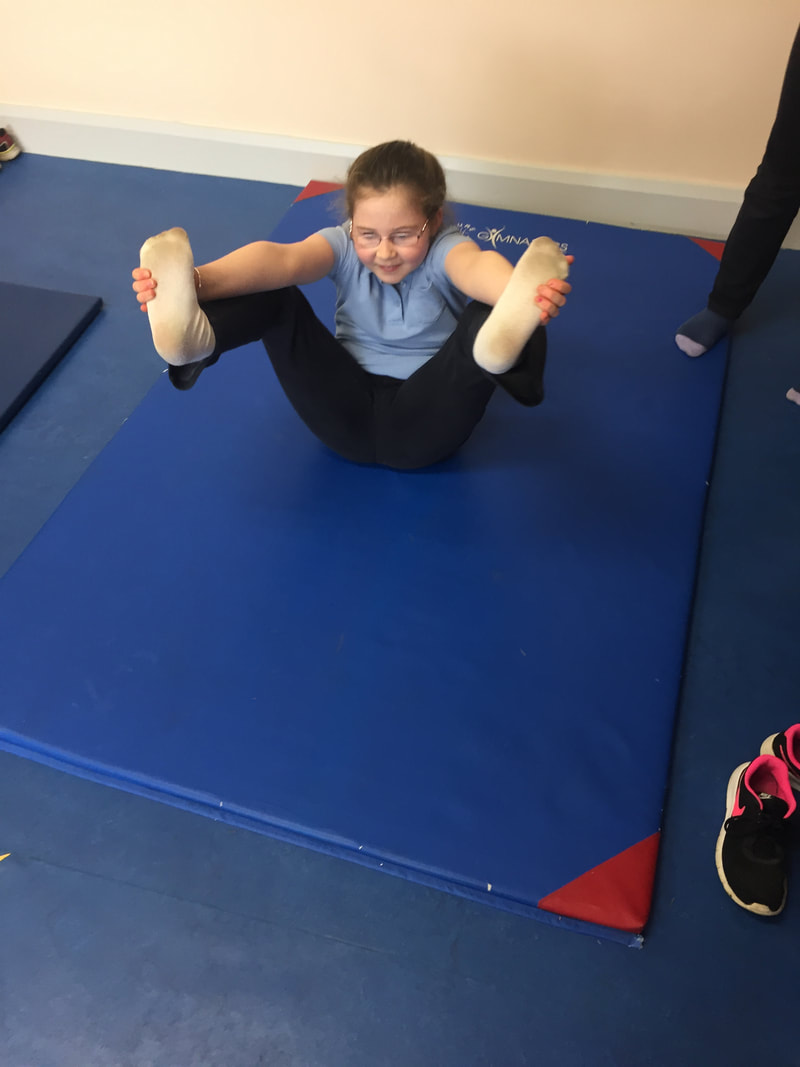
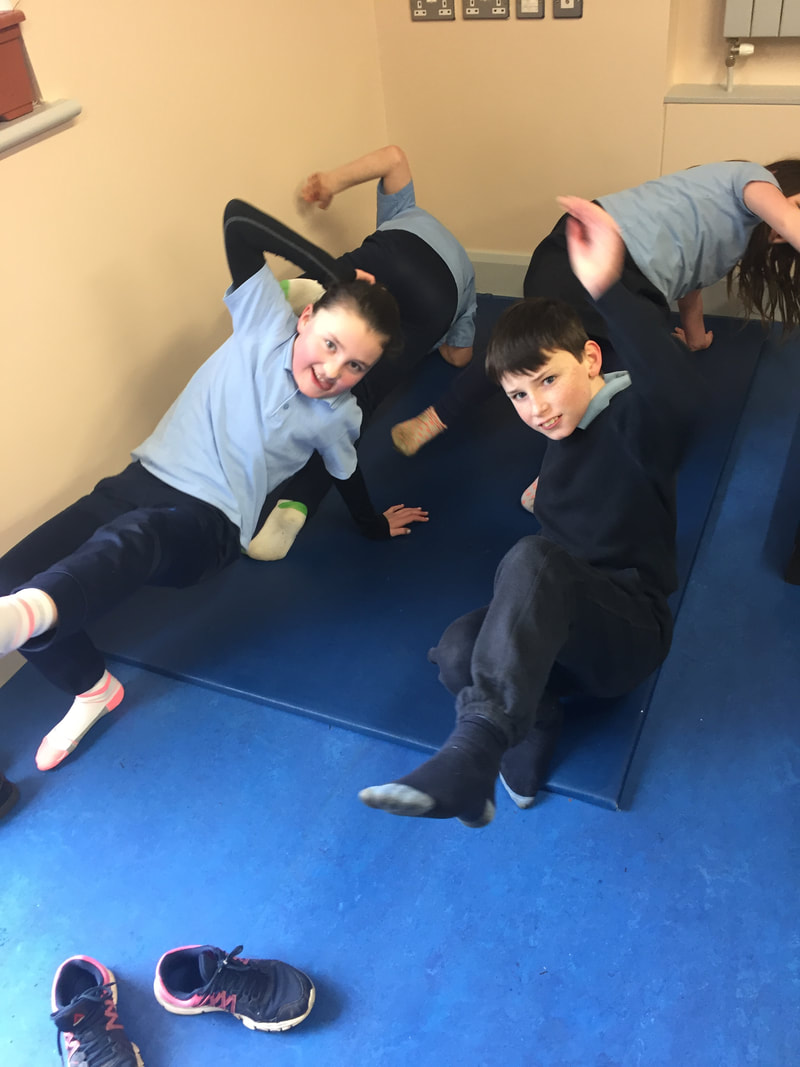
The strand units of the Gymnastics curriculum include:
- Movement
- Understanding and appreciation of Gymnastics
Games
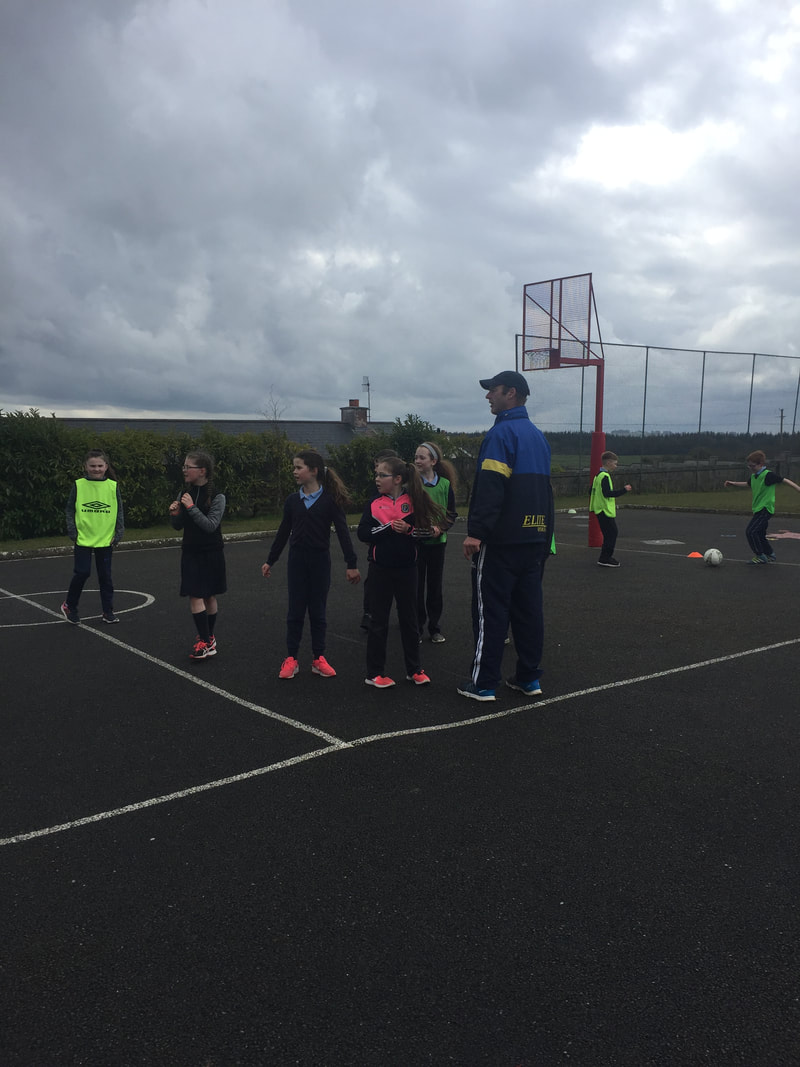
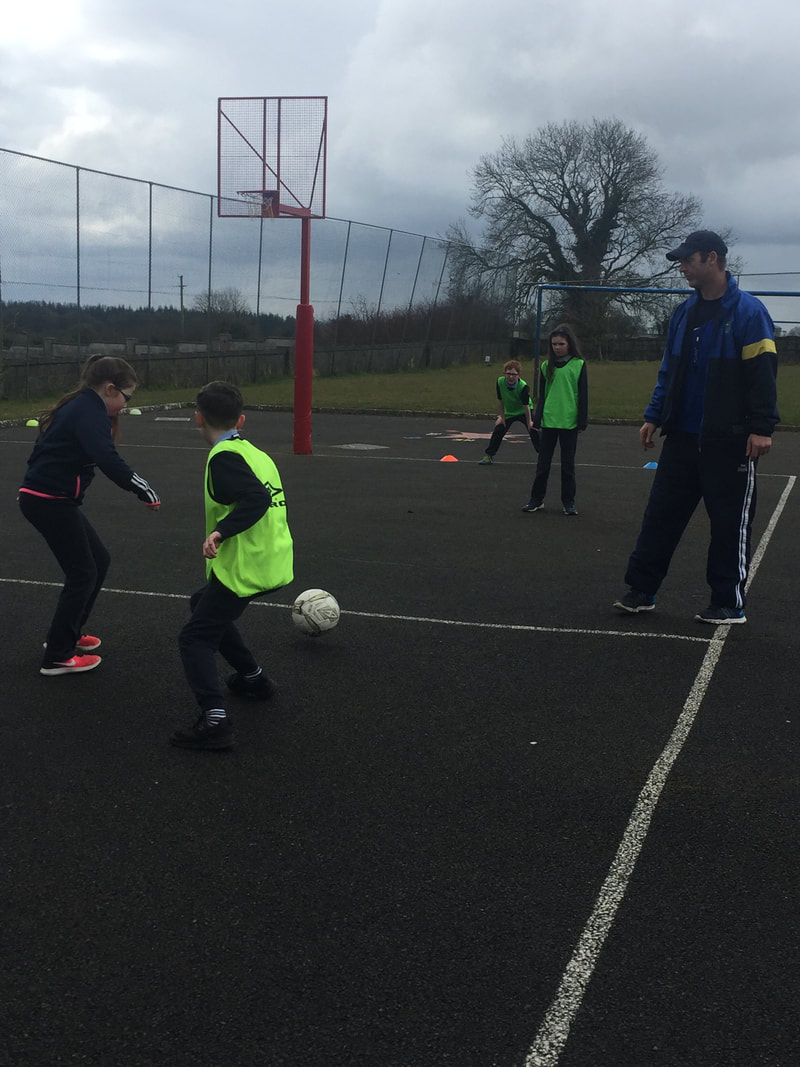
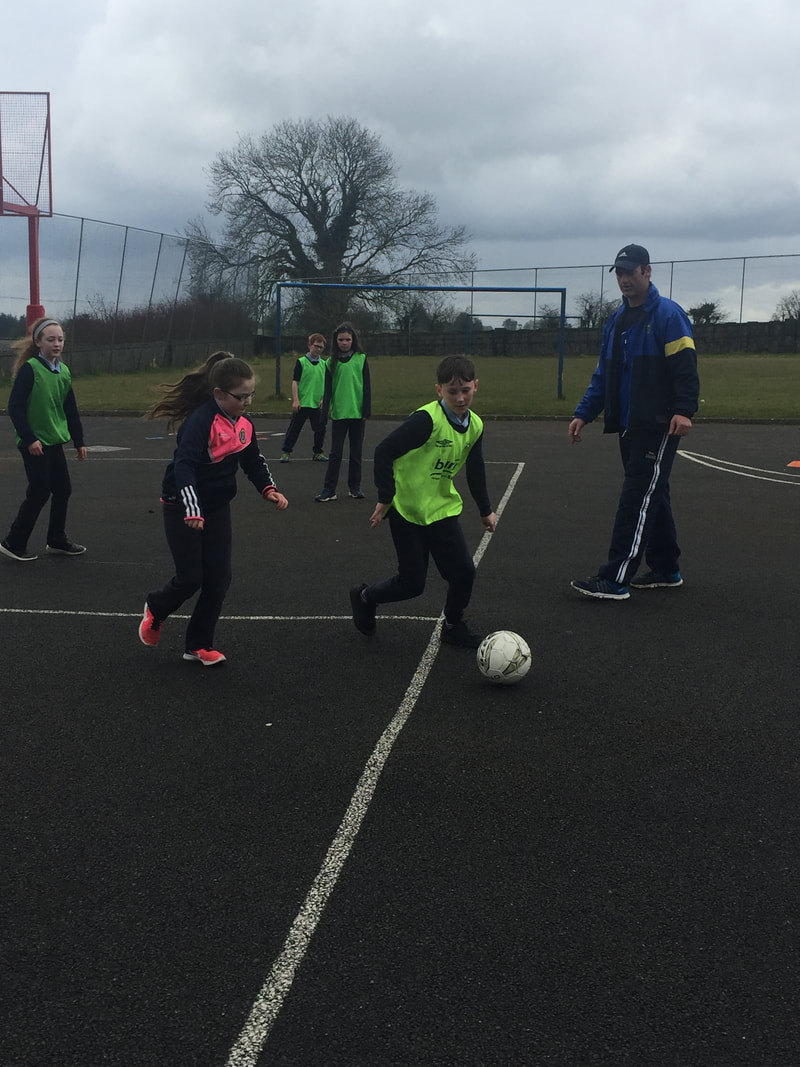
The strand units of the Games curriculum include:
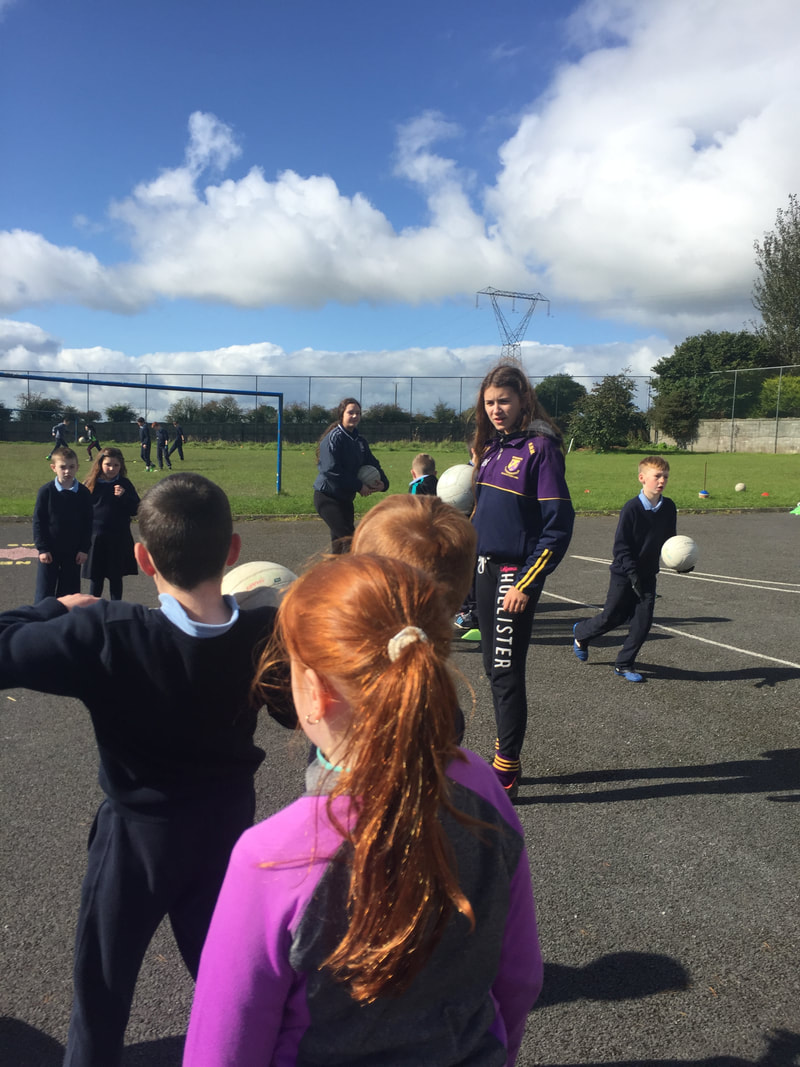
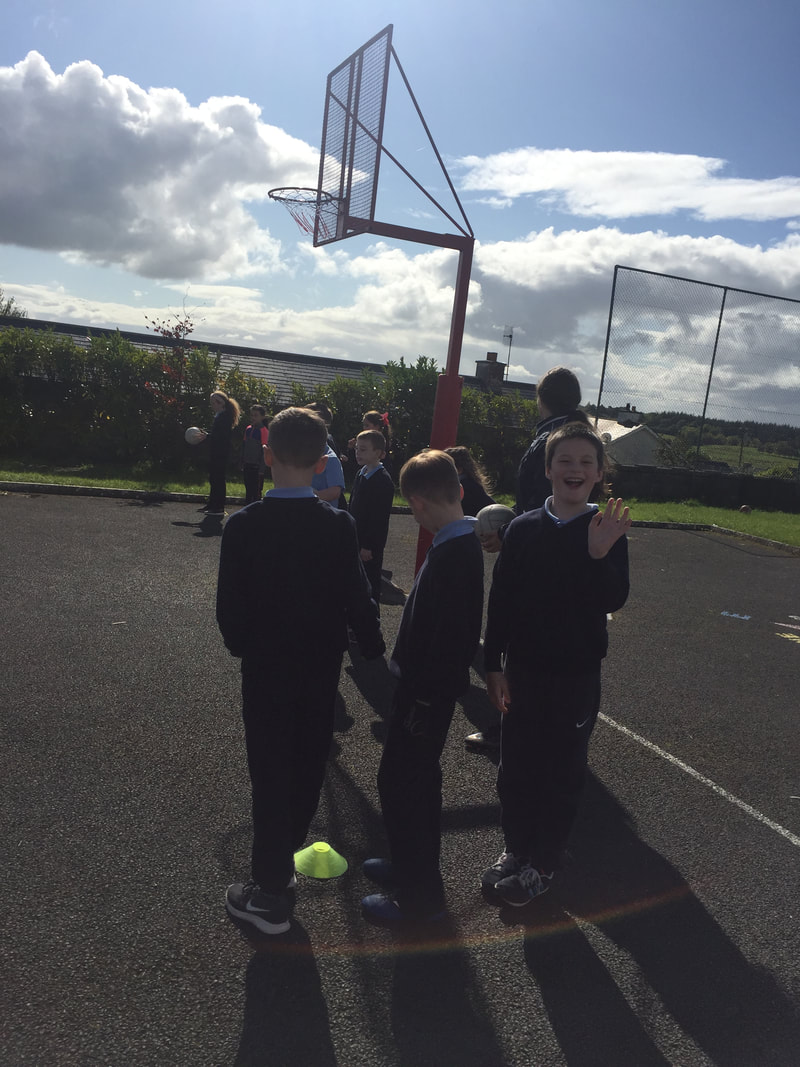
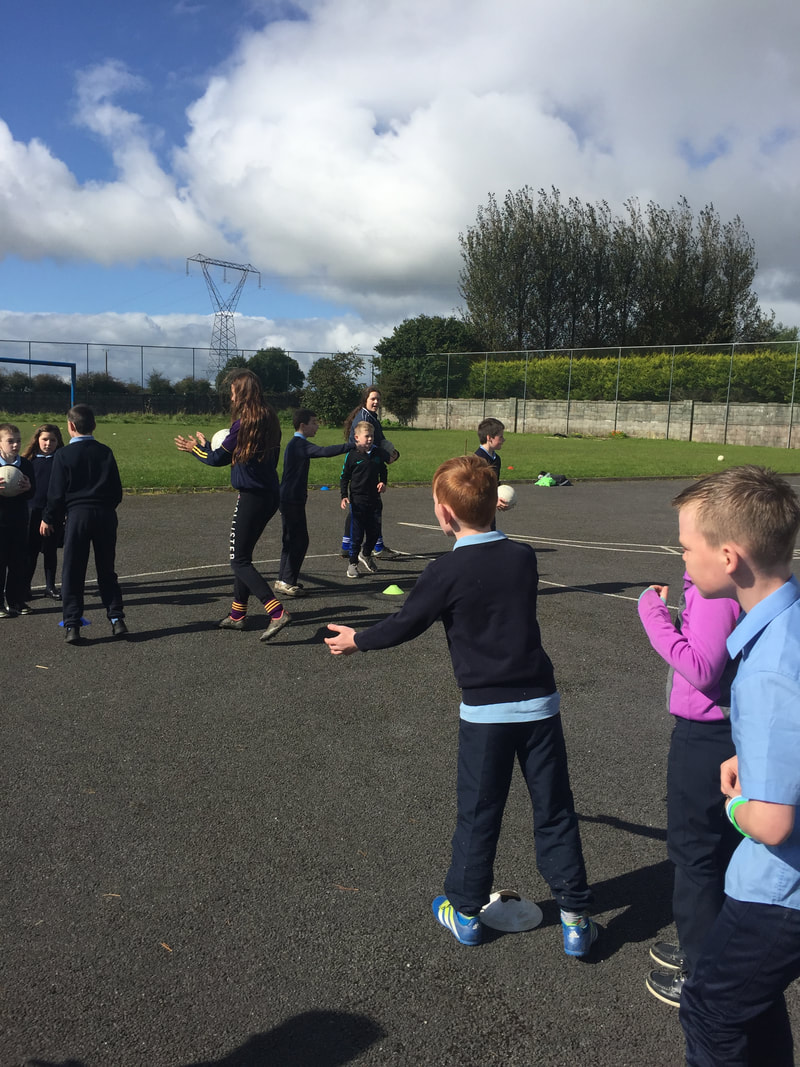
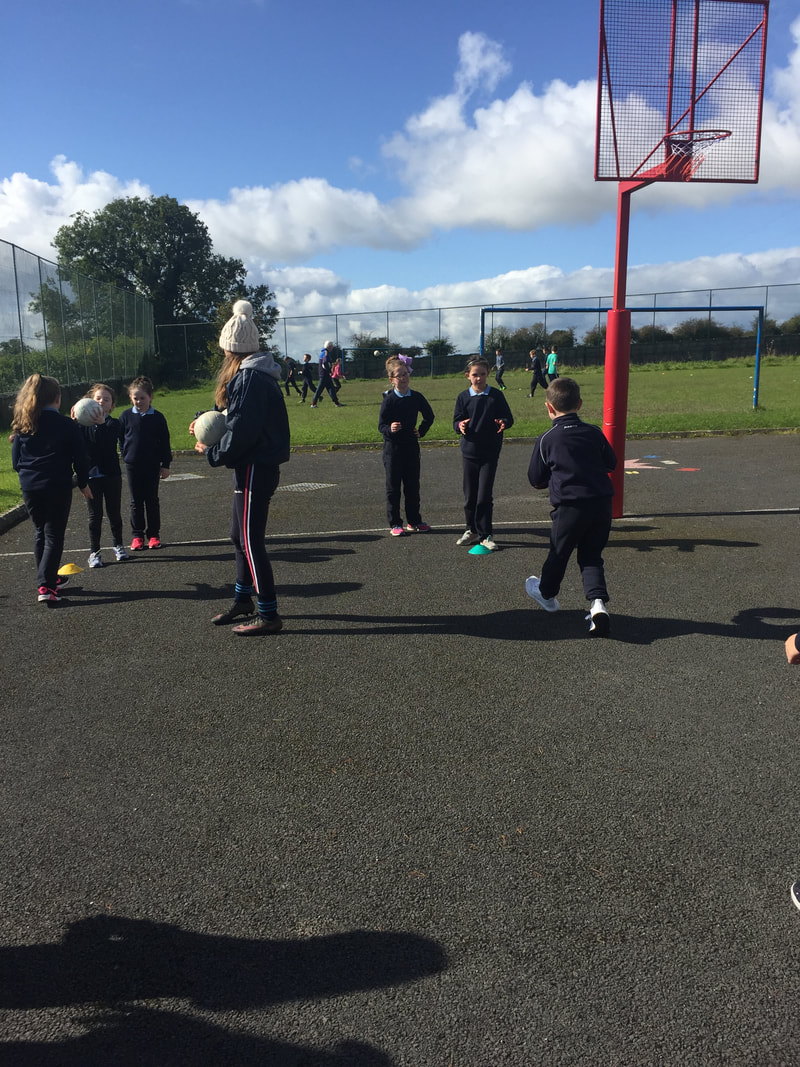
- Sending, receiving and travelling
- Creating and playing games
- Understanding and appreciation of games



Outdoor and Adventure
The strand units of the Outdoor and Adventure curriculum include:
- Walking
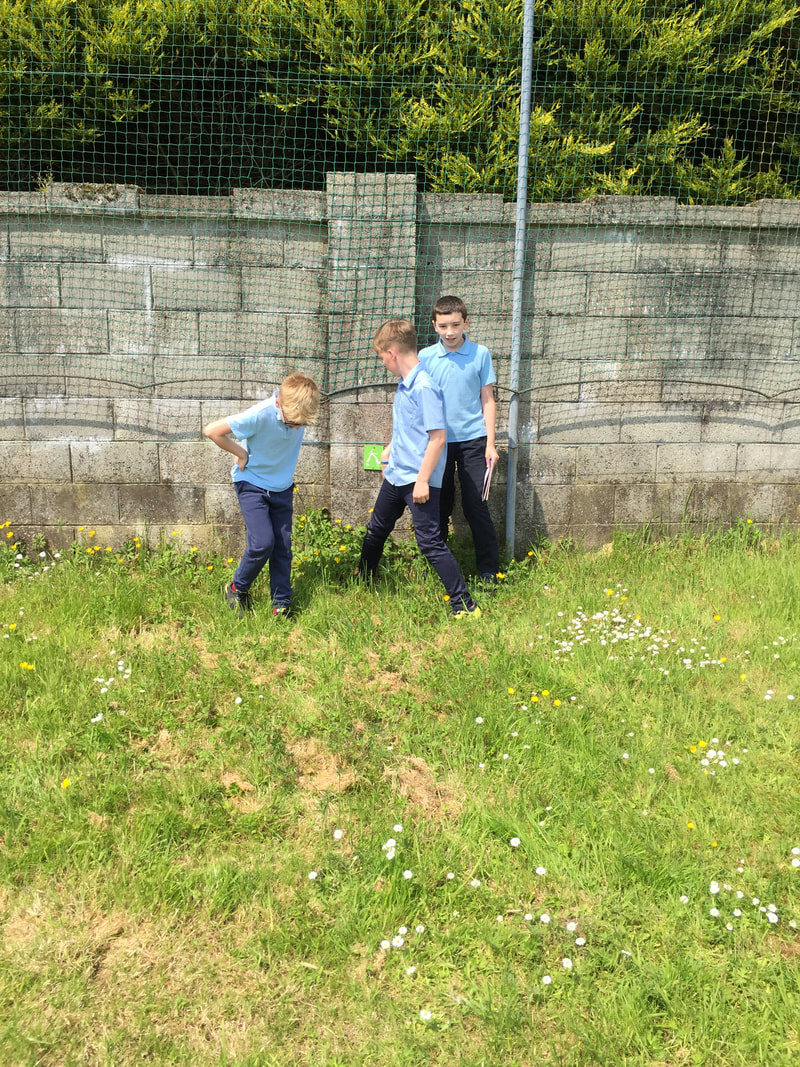
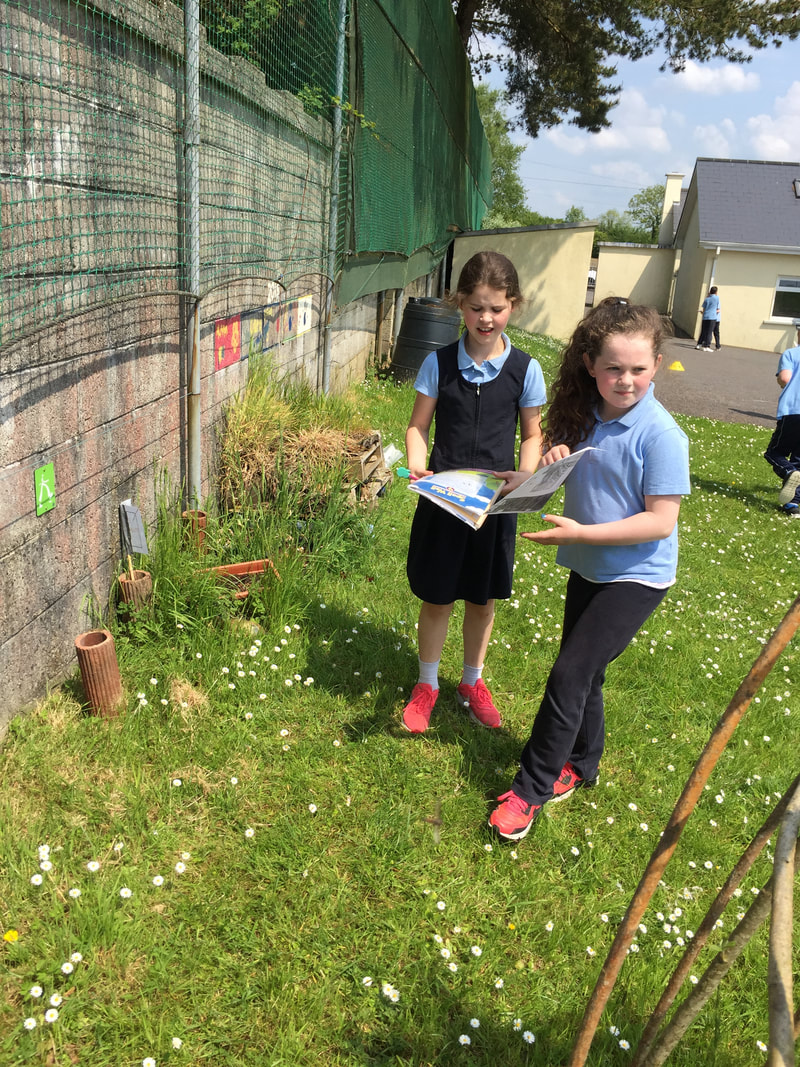
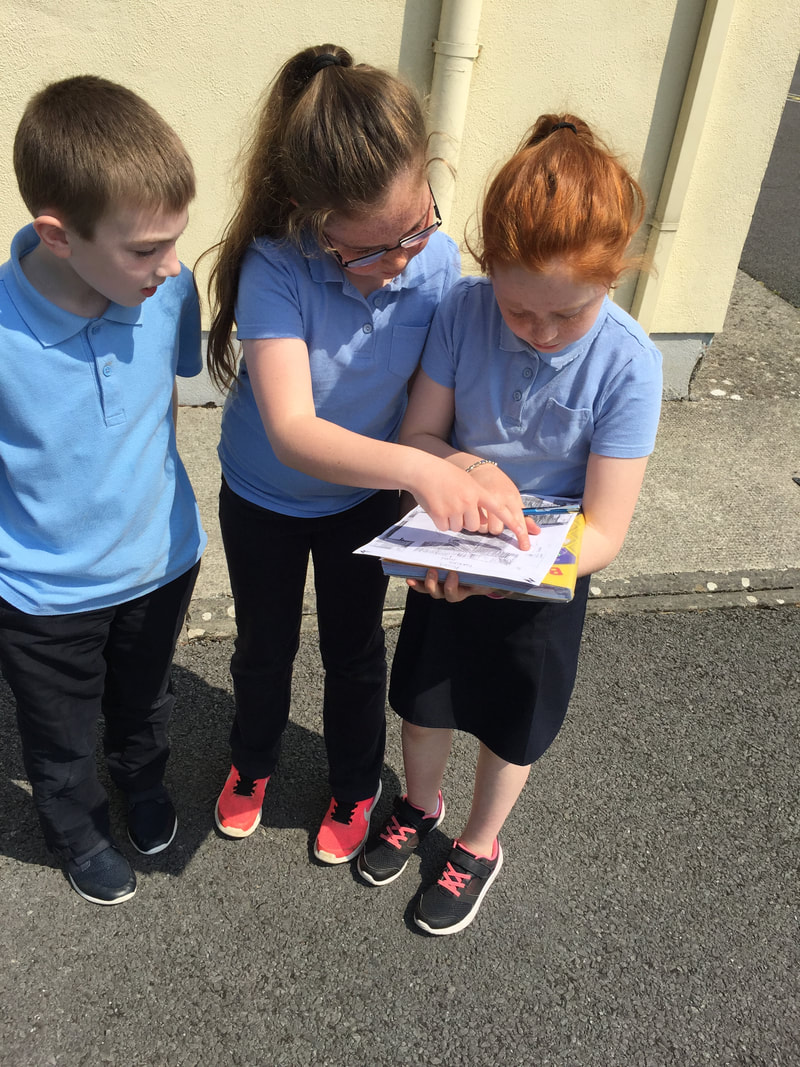
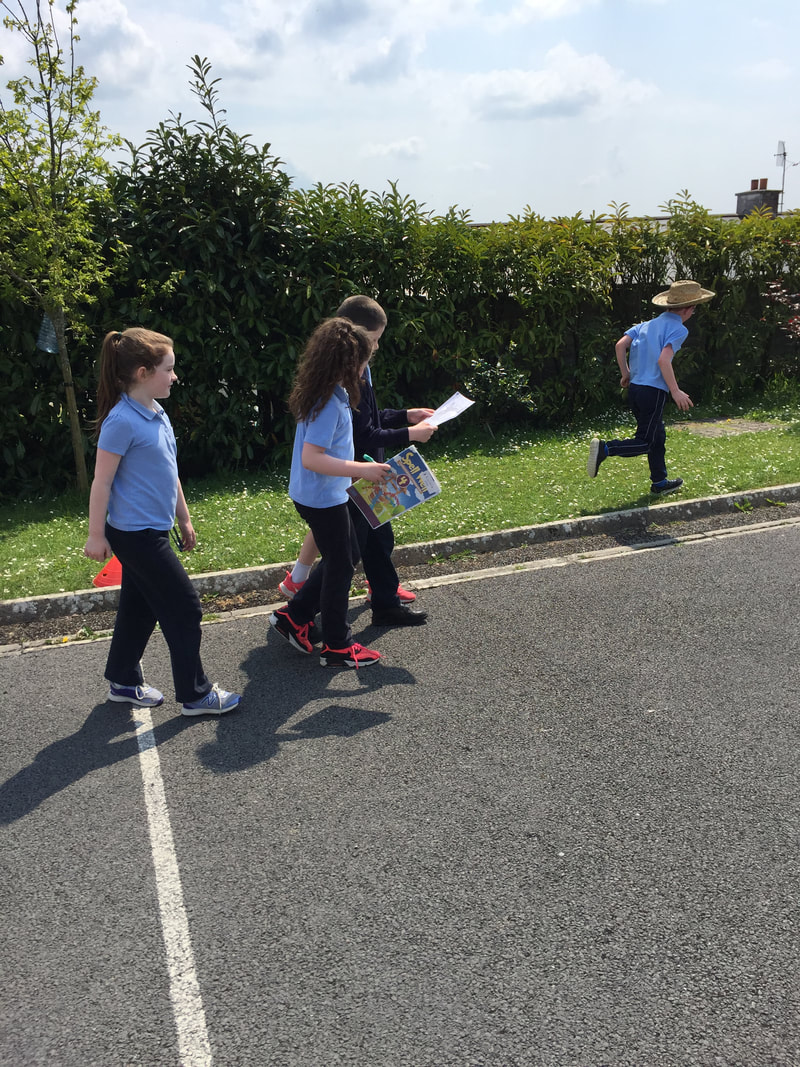
- Orienteering
- Outdoor Challenges
- Understanding and appreciation of outdoor and adventure activities